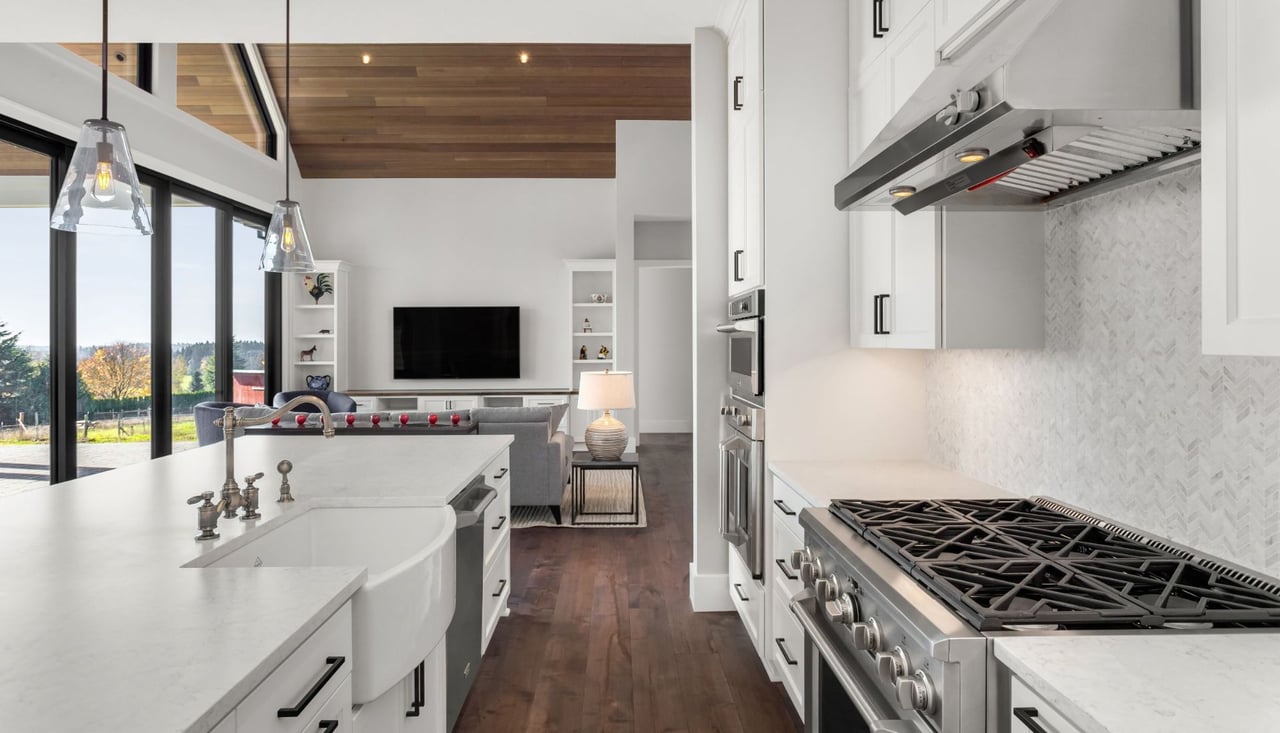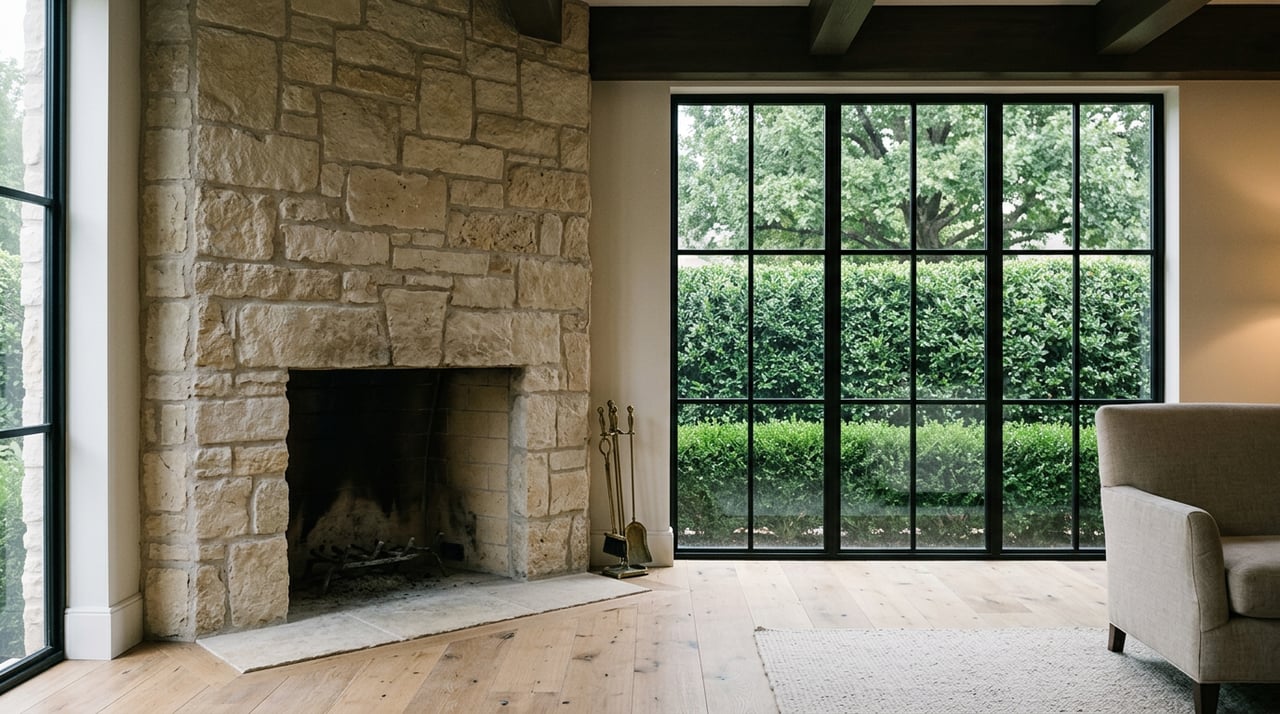
A buyer touring 2552 E Alameda Avenue this month found a fully detached ranch home with a private courtyard, a chef's kitchen with Thermador appliances, and a primary suite that felt like its own wing. Listed at $1,965,000 as of September 1, 2026, the home reads like a single-family property in every way that matters to a buyer standing in it. On paper, it is a condominium.
That distinction is not a technicality. It changes the mortgage product a lender will offer, the insurance policy that applies, and the authority the homeowners association holds over what happens inside those walls. It also happens to be the clearest window into why Polo Club is one of the harder Denver neighborhoods to price from a listing sheet alone. The gate on University Boulevard opens onto not one housing market, but three, and they rarely behave the same way at the same time.
Three Markets Behind One Gate
Everything inside Polo Club carries the same name and the same HOA history, but the product varies enormously depending on which pocket you're standing in.
- The high-rise at 3131 E Alameda Avenue. Built in 1966, this tower holds one, two, and three-bedroom units. This summer, six were listed for sale between $420,000 and $2,209,000, and the three that closed in the trailing 90 days sold between $505,000 and $2,550,000, a median of roughly $2,395,000 at about $472 a square foot.
- The Polo Club North patio homes. Ranch-style, single-level, and detached, but titled and sold as condominiums under a shared declaration. The 2552 E Alameda Avenue example above sits near the middle of this tier.
- The gated estate section. Custom-built homes on large private lots, where turnover is rare and prices have historically stretched into eight figures.
Coleen Sanders' own Polo Club neighborhood guide puts the practical range at roughly $1.4 million for a patio home to $10 million for an updated mansion, and that range only makes sense once you know it's describing two entirely different structures, not two points on the same curve.
What "Condominium" Actually Means on a Polo Club Deed
The patio homes in Polo Club North look and live like detached houses. Private entries, private courtyards, no shared walls. But because they're titled as condominiums under the neighborhood's HOA structure, a buyer financing one of these homes is often working with a condo loan product rather than a standard single-family mortgage. That can mean different down payment requirements, different appraisal standards, and a lender who wants to see the HOA's financials before clearing the file.
Insurance works the same way. A standard homeowner's policy assumes you own the structure outright. A condo policy assumes the association covers part of the building and grounds, even when, as in Polo Club North, the association isn't managing a shared roof or a shared lobby the way it would in the tower at 3131 E Alameda. Buyers who assume "detached" means "financed and insured like every other house on the block" are the ones who find out otherwise during underwriting, not before.
Same Gate, Three Price Bands
| Product type | Recent price range | What defines it |
|---|---|---|
| High-rise condo (3131 E Alameda) | $420,000 to $2,209,000, this summer's active listings | Elevator building, shared amenities, condo financing |
| Polo Club North patio home | Roughly $1.5M to $2.2M in recent listings | Detached ranch home, private courtyard, titled as condo |
| Gated estate | Historically into eight figures | Custom-built, multi-acre, rarely resold |
Ask for "the median price in Polo Club" and you'll get a number that averages across all three rows. It's a real number. It's just not a useful one unless you already know which row you're buying into.
Why the Published Median Moves So Much
The combined Belcaro and Polo Club submarket is small enough that a handful of closings can swing the headline number dramatically. In the 30 days ending April 19, 2026, the median closed sale across that combined area was $1,775,000, up 52.4% from the same period a year earlier, on just 8 total sales compared to 9 the year before.
That's not a neighborhood appreciating by half in a year. That's a market thin enough that whichever homes happened to close, whether they leaned toward the tower, the patio homes, or the estate section, determined the headline. A median built on eight transactions tells you what sold, not what the neighborhood is worth. For a buyer comparing Polo Club against a larger, more liquid neighborhood like Bonnie Brae or Cherry Creek, that's the single most important caveat to carry into the comparison.
The One That Doesn't Trade
Some context on why the estate tier moves so rarely. In May 2021, a 6.26-acre property at 9 Polo Club Lane came to market for the first time in 70 years, listed at $21.5 million. Listing agent Josh Behr described it to the Denver Business Journal as "a park in the middle of the city," a property where you'd struggle to spot a neighbor from inside the house. He noted the only comparable parcel in scale was the Phipps mansion at 3400 E. Belcaro Drive, at 6.47 acres.
That kind of listing doesn't happen often, and it isn't a current price signal. It's a marker of how the estate section behaves: homes bought once, held for decades, and priced on privacy and land as much as square footage when they finally do change hands. The neighborhood's roots explain some of that pattern. Land here was purchased in 1921 to house Denver's first polo club, the club itself closed in 1936, and the landowners who built homes on the parcels afterward formed a homeowners association in 1946 to protect the character they'd created. Eight decades later, that same instinct toward privacy and low turnover still shapes how the estate section trades, or doesn't.
What This Means If You're Comparing Neighborhoods
If Polo Club is on your list alongside Bonnie Brae, Cherry Creek, or Hilltop, a few habits will save you from comparing the wrong things.
- Ask which of the three product types a listing belongs to before you compare its price per square foot to anything else in the neighborhood.
- If you're looking at a patio home, confirm with your lender early whether it will be financed as a condo, and ask your insurance agent what that means for coverage.
- Treat any published "Polo Club median" as a snapshot of a handful of closings, not a trend line. Ask for comps within your specific tier instead.
- If the estate section is what draws you, understand you're shopping a market where the right home may not come up again for years, not months.
A Few Common Questions
Is a Polo Club patio home legally a house or a condo? It's titled as a condominium even though it's a fully detached structure. That title status, not the physical layout, determines how it's financed and insured.
Why does the median price for Polo Club change so much year to year? Sales volume across the combined Belcaro and Polo Club area is small, often fewer than ten closings in a given month. A shift toward more tower sales or more estate sales in any given period can move the median without reflecting a real change in value.
Is the high-rise at 3131 E Alameda part of the same market as the patio homes? They share a gate and a name, but they're different products with different buyers, different financing paths, and different price behavior. Compare them to each other only with that in mind.
Polo Club rewards a buyer who asks which market they're actually standing in before they ask what it costs. If you're weighing this neighborhood against others in southeast Denver, or trying to make sense of a listing that doesn't behave the way the price suggests it should, Coleen Sanders can walk through the comps that actually apply to your situation. Let's Connect.