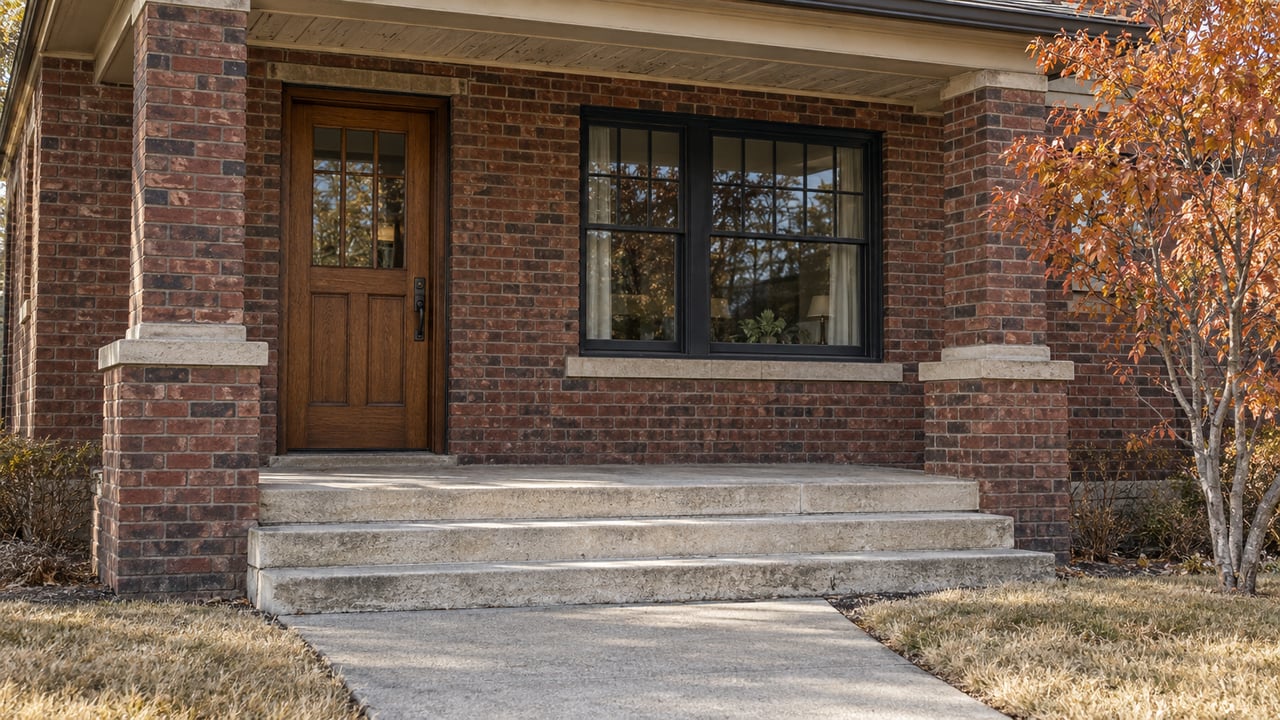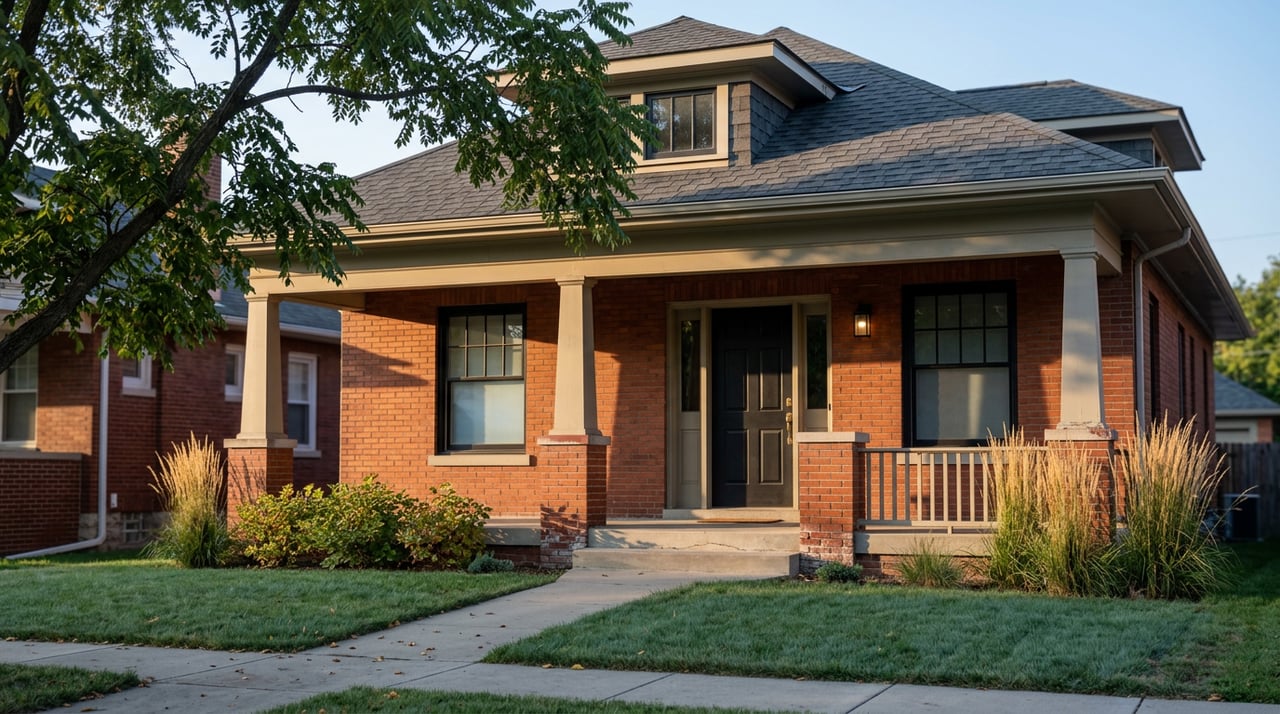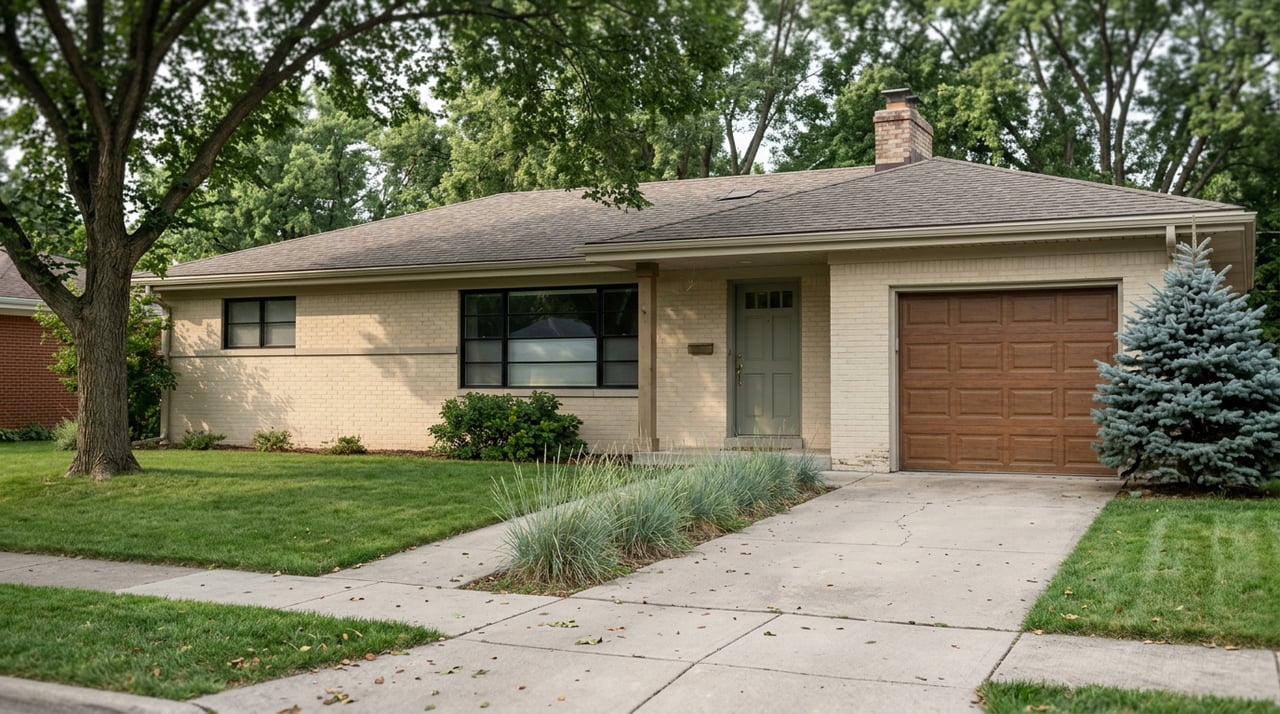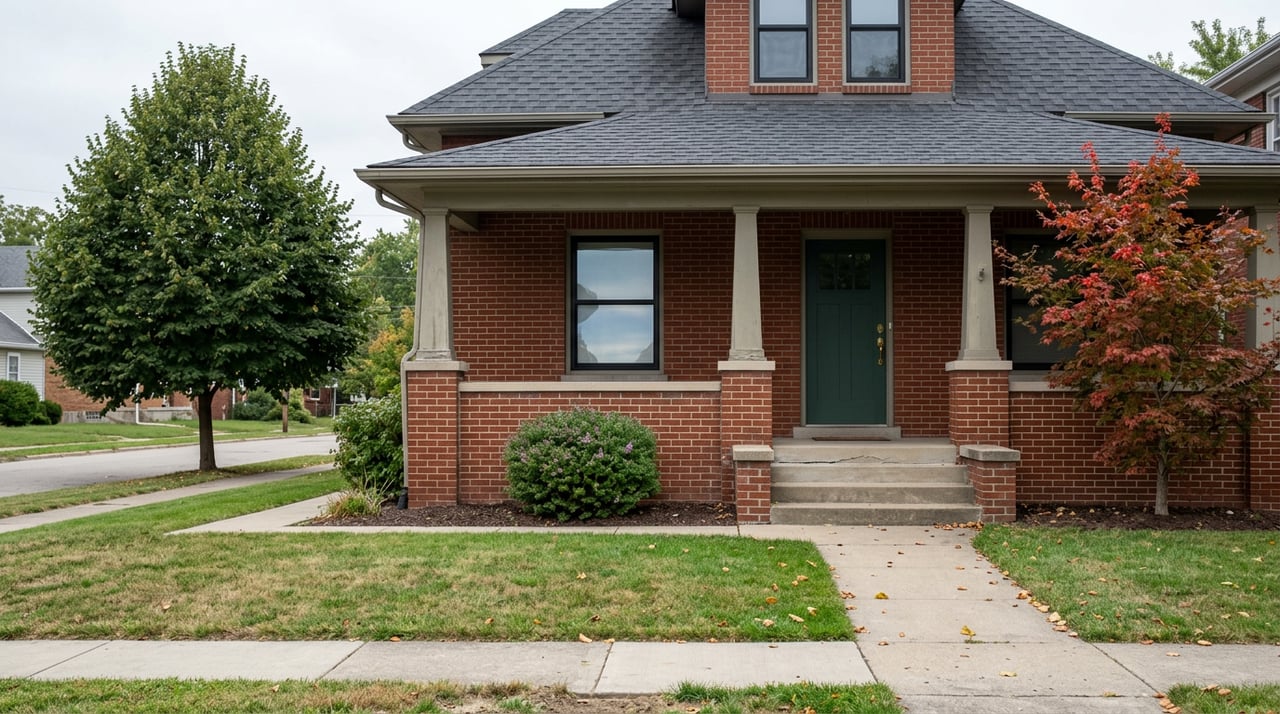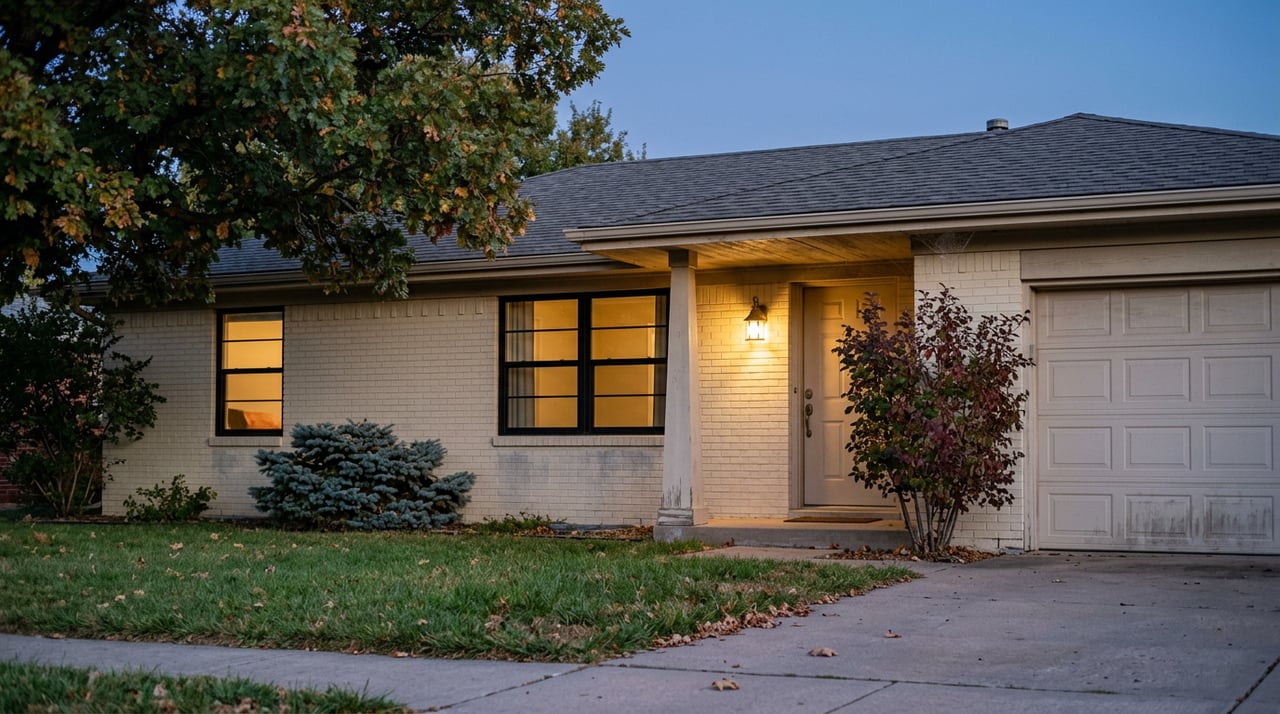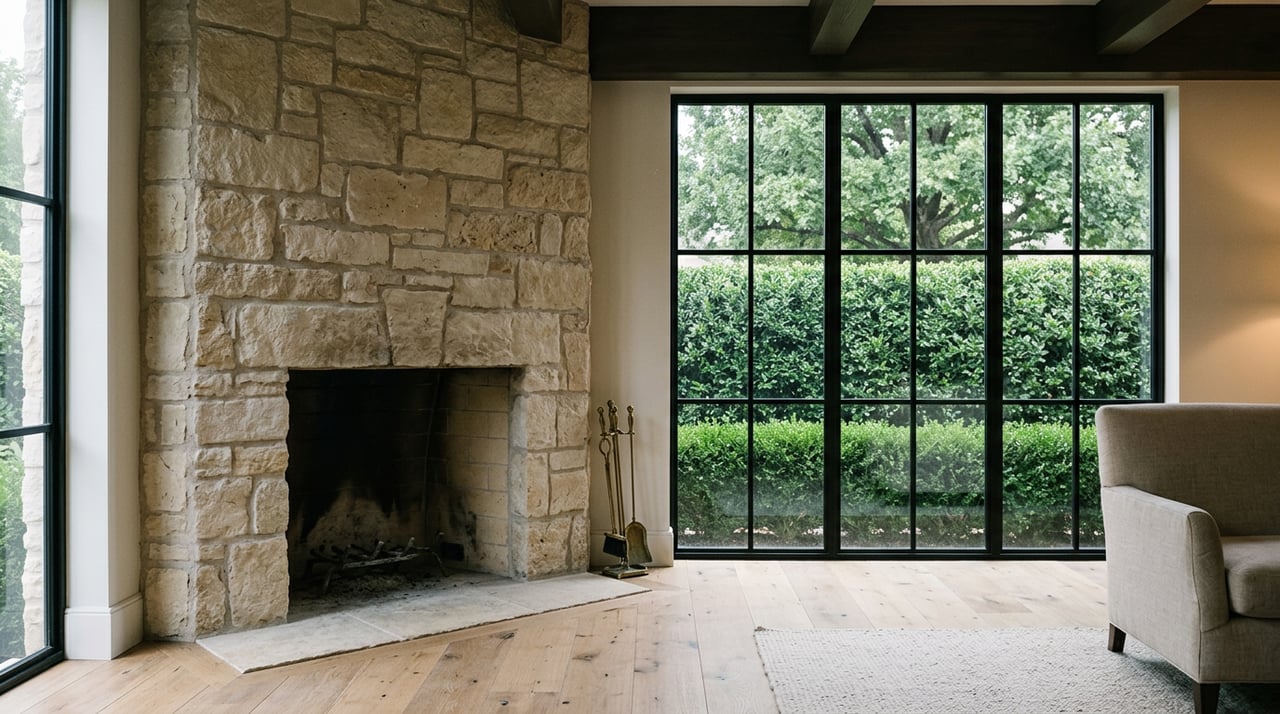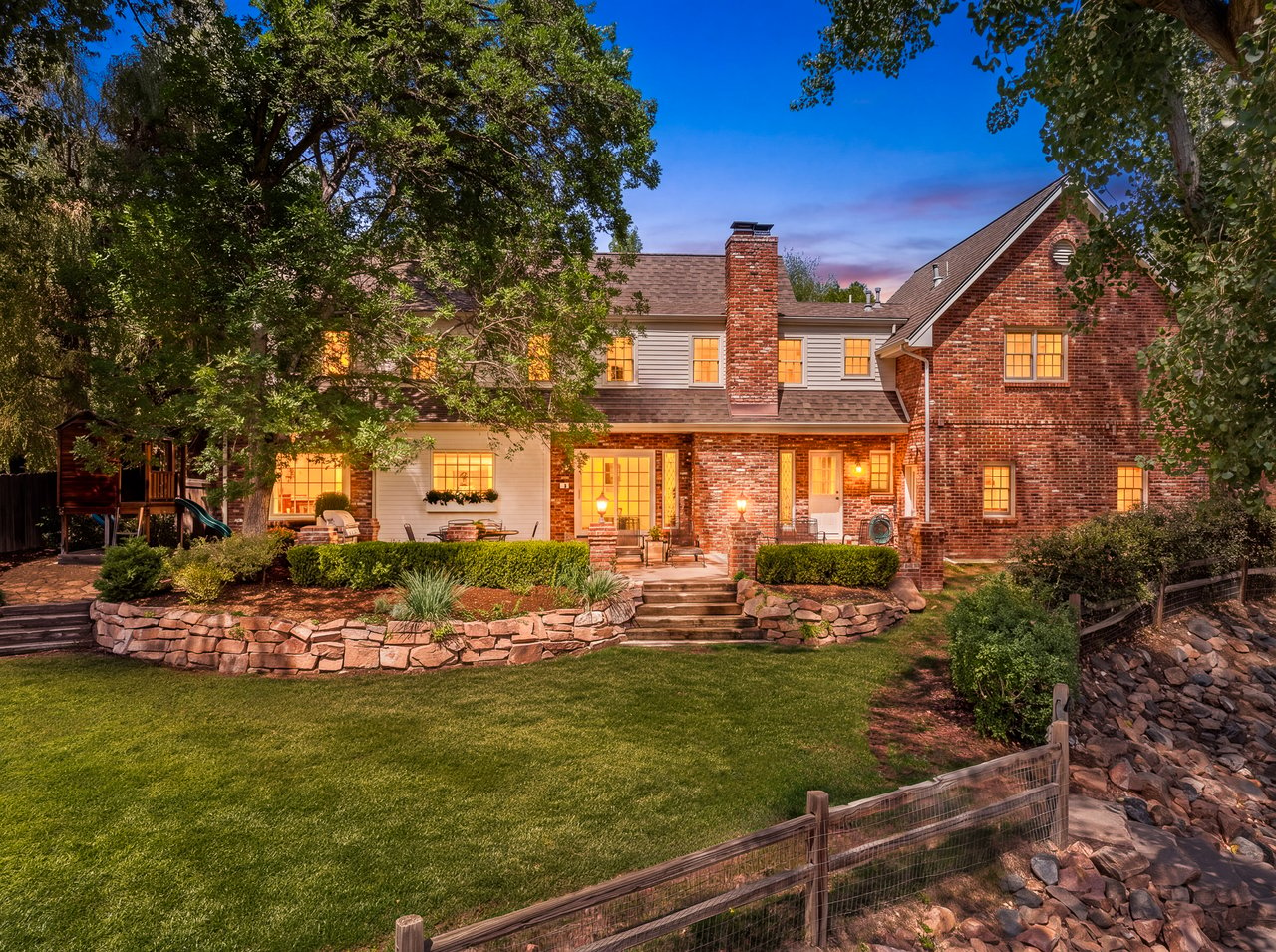
15,420 people live in Greenwood Village, where the median age is 45.6 and the average individual income is $116,127. Data provided by the U.S. Census Bureau.
Total Population
Median Age
Population Density
Average individual Income
Greenwood Village is one of the few places in metro Denver where a buyer can choose between a high-rise condo steps from light rail and a horse property on a bridle path, all within the same 8-square-mile city. That range is what makes it worth understanding before you buy. This guide covers the market, the homes, the schools, and the details that tend to decide where people land.
Greenwood Village is a home rule city in Arapahoe County, directly south of Denver along the I-25 corridor. It covers about 8.28 square miles, is largely surrounded by Centennial, and borders Cherry Hills Village to the west. The 2020 Census counted 15,691 residents. Primary zip codes are 80111, 80112, and 80121.
What sets it apart is its split personality. The eastern side holds a large share of the Denver Technological Center (DTC), one of the region's biggest employment hubs, along with Fiddler's Green Amphitheatre. The western side is quiet, low-density, and semi-rural, with mature cottonwoods, uncurbed streets, and acre-plus lots. The Cherry Creek School District, which serves most of the city, is headquartered here.
Greenwood Village is an upper-tier suburban market with values well above both the Denver metro and Arapahoe County medians. Because the city only sees a modest number of sales each month, short-term numbers swing depending on whether estates or condos closed that month. Read any single metric with that in mind.
Metric (Late 2026) | Figure | Source |
|---|---|---|
Typical home value | $1,380,520 (+2.9% YoY) | Zillow, Oct 31, 2026 |
Median sale price (all homes) | $1,419,013 (-10.2% YoY) | Redfin, Oct 2026 |
Median list price | $1,035,000 – $1,500,000 | Realtor.com, Oct 2026 / Movoto, Nov 16, 2026 |
Price per square foot | $334 sold / $389–$394 listed | Redfin / Realtor.com / Movoto |
Active inventory | 65–76 homes | Movoto, Zillow, Realtor.com |
Median days on market | 14 (Redfin) / 47–58 (Realtor.com, Movoto) | Oct–Nov 2026 |
Sale-to-list ratio | 97.3% | Redfin, Oct 2026 |
The more useful picture comes from splitting the market in two. Detached single-family homes posted a year-to-date median sale price of $1,887,500 through July 2026. Locally, only Cherry Hills Village ($3,695,000) ranks higher, and Greenwood Village sits at more than double Lone Tree ($915,000) and well above Centennial ($713,250). Since most single-family prices exceed Arapahoe County's 2026 conforming loan limit of $862,500, jumbo financing is the norm. Attached homes (condos and townhomes near the DTC) came in at a $642,000 median over the same period.
Neighborhood listing medians show just how wide the spread is: roughly $387,000 in The Corridor, $950,000 in Cherry Creek, $2,199,000 in West End, and $3,275,000 in The Preserve.
What this means for buyers and sellers: Inventory is tight at under 80 listings, and sellers still get about 97–98% of asking. But roughly 36.5% of listings took a price cut in October 2026. Well-priced homes go fast; homes that sit past the first two weeks usually leave room to negotiate.
Housing here falls into four clear categories, and each one tends to attract a different buyer.
Category | Key Enclaves | Typical Size and Lot | Approx. Price Range |
|---|---|---|---|
Custom luxury estates | The Preserve, Greenwood Hills, One Cherry Lane | 4,000–8,000+ sq. ft., large private lots | $1.75M – $5M+ |
Established single-family | Sundance Hills, Cherry Creek Village, Cherry Creek Vista | 2,000–4,300 sq. ft., ~0.25–0.5 acre | $650K – $2.0M |
Luxury townhomes and patio homes | Beacon Hill, Bateleur at the Preserve | 3,000–4,000 sq. ft., HOA-maintained | $1.4M – $1.8M |
DTC condos and lofts | Landmark Towers, Vallagio, Village Lofts, The Corridor | 950–3,000+ sq. ft., mid- or high-rise | $335K – $2.9M+ |
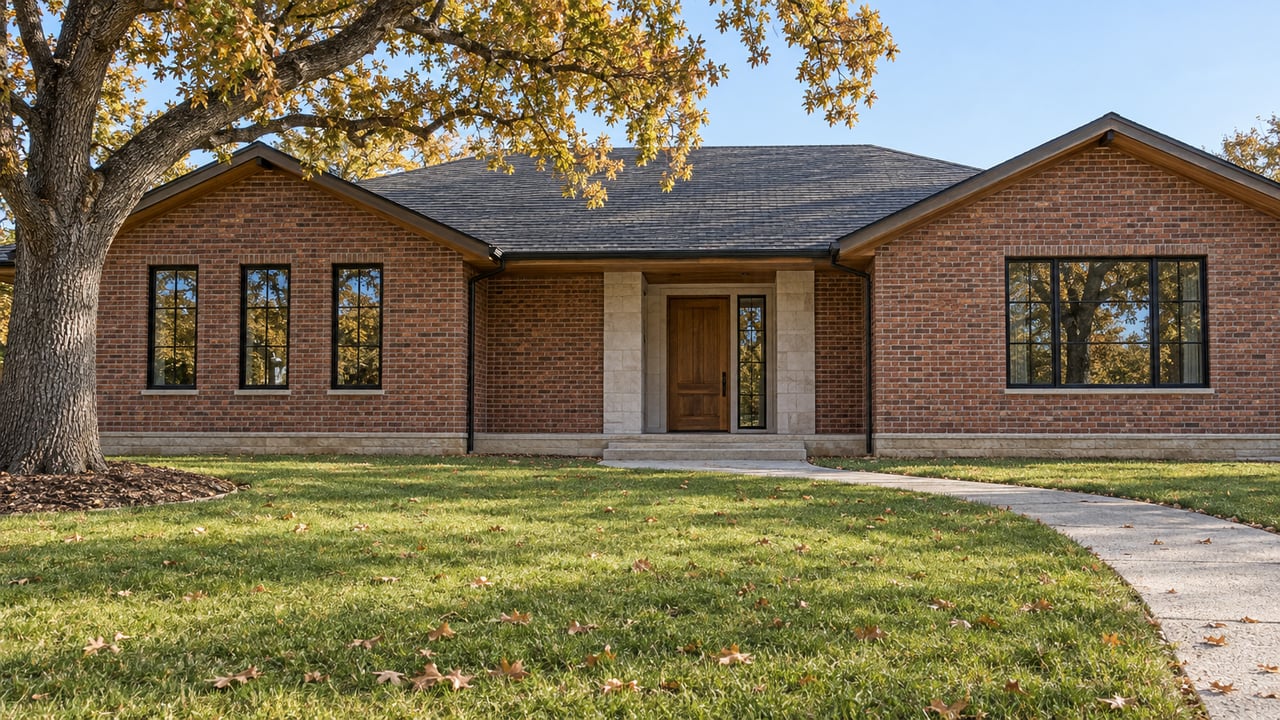
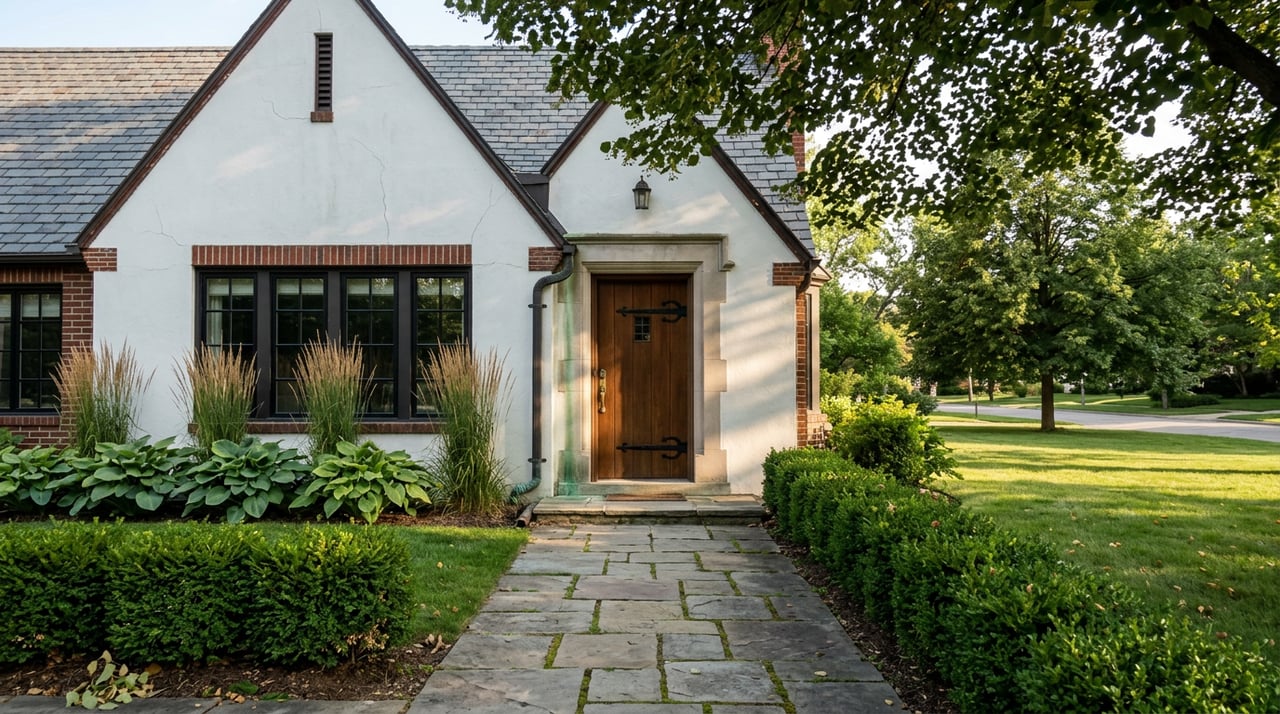
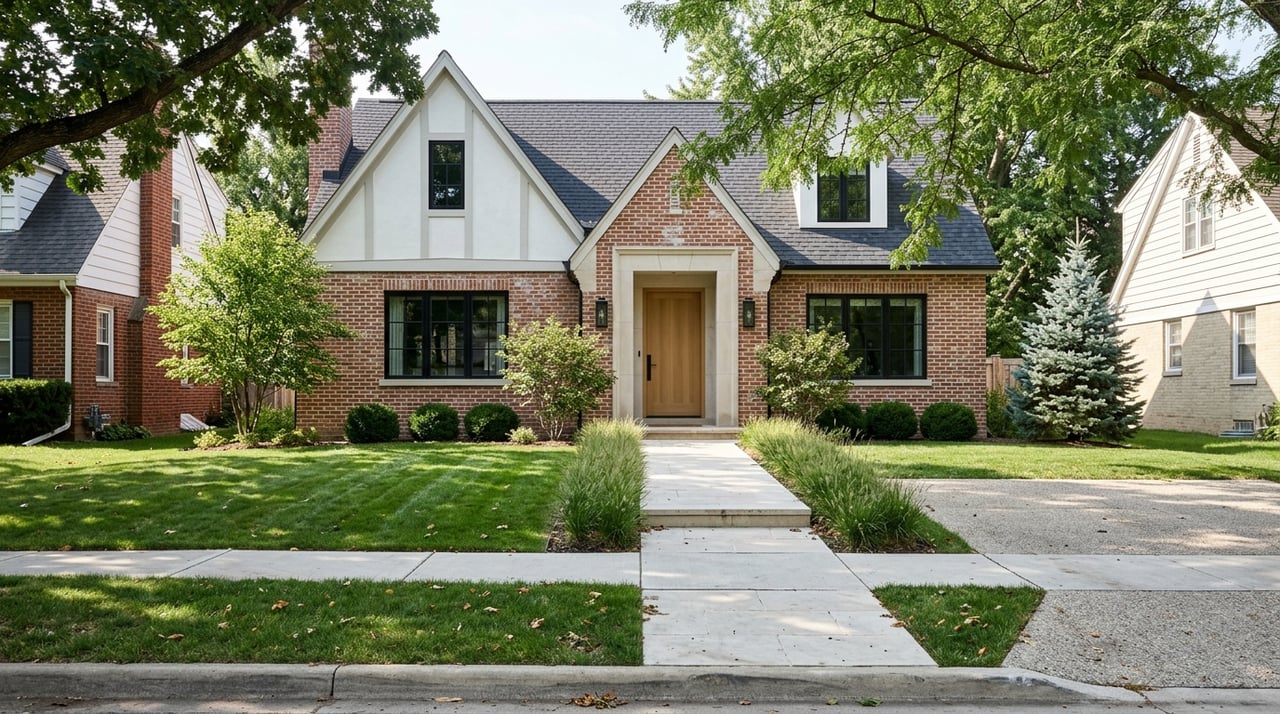
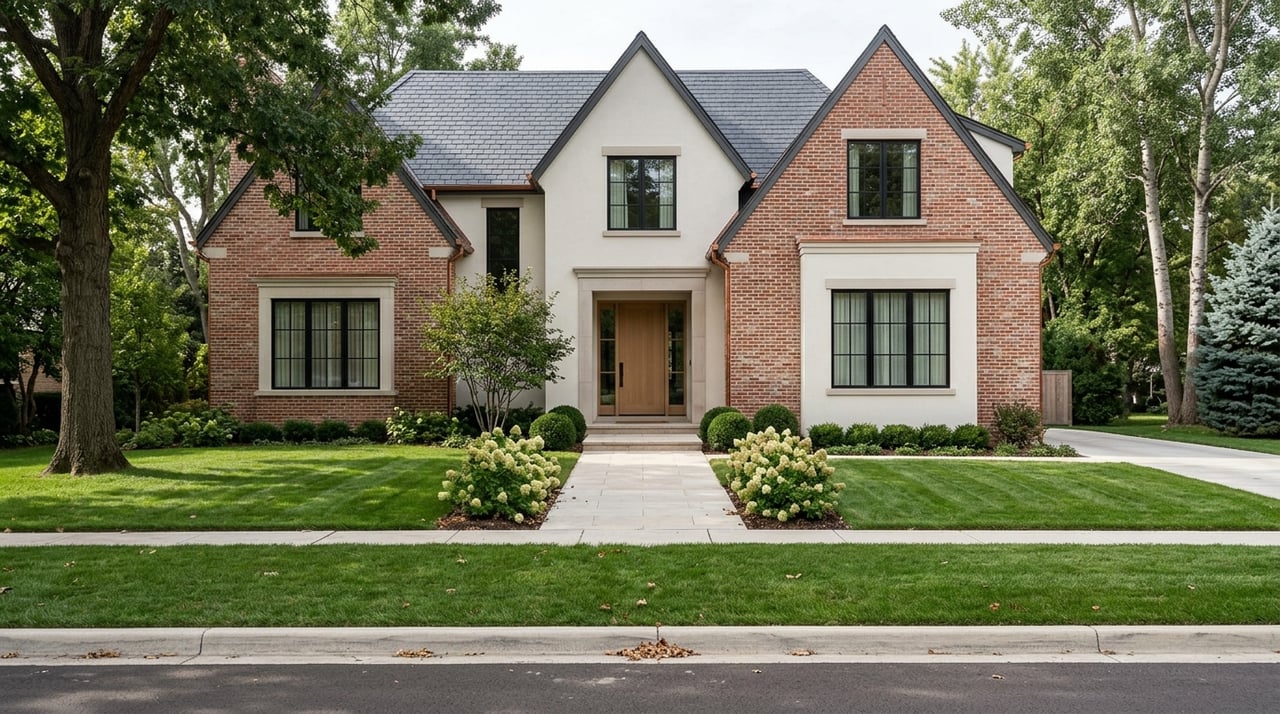
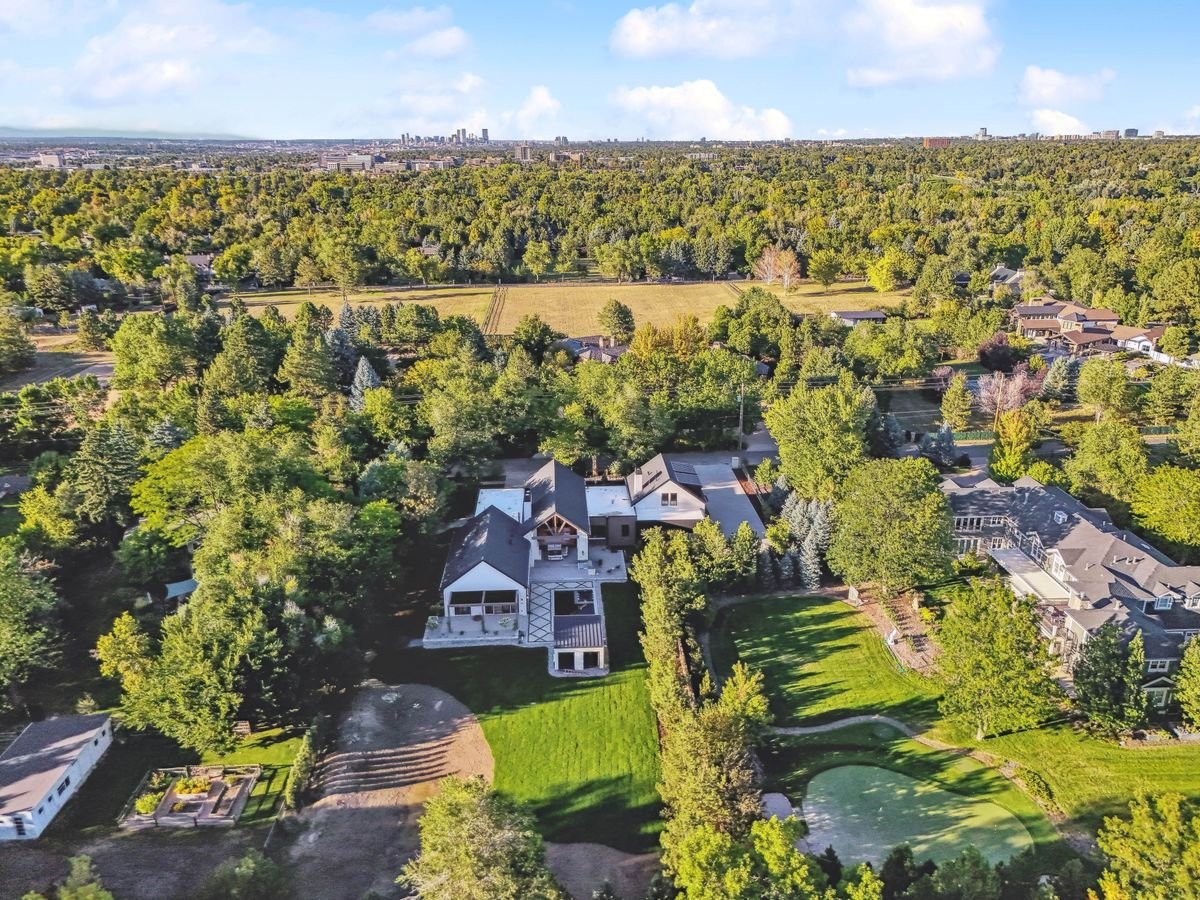
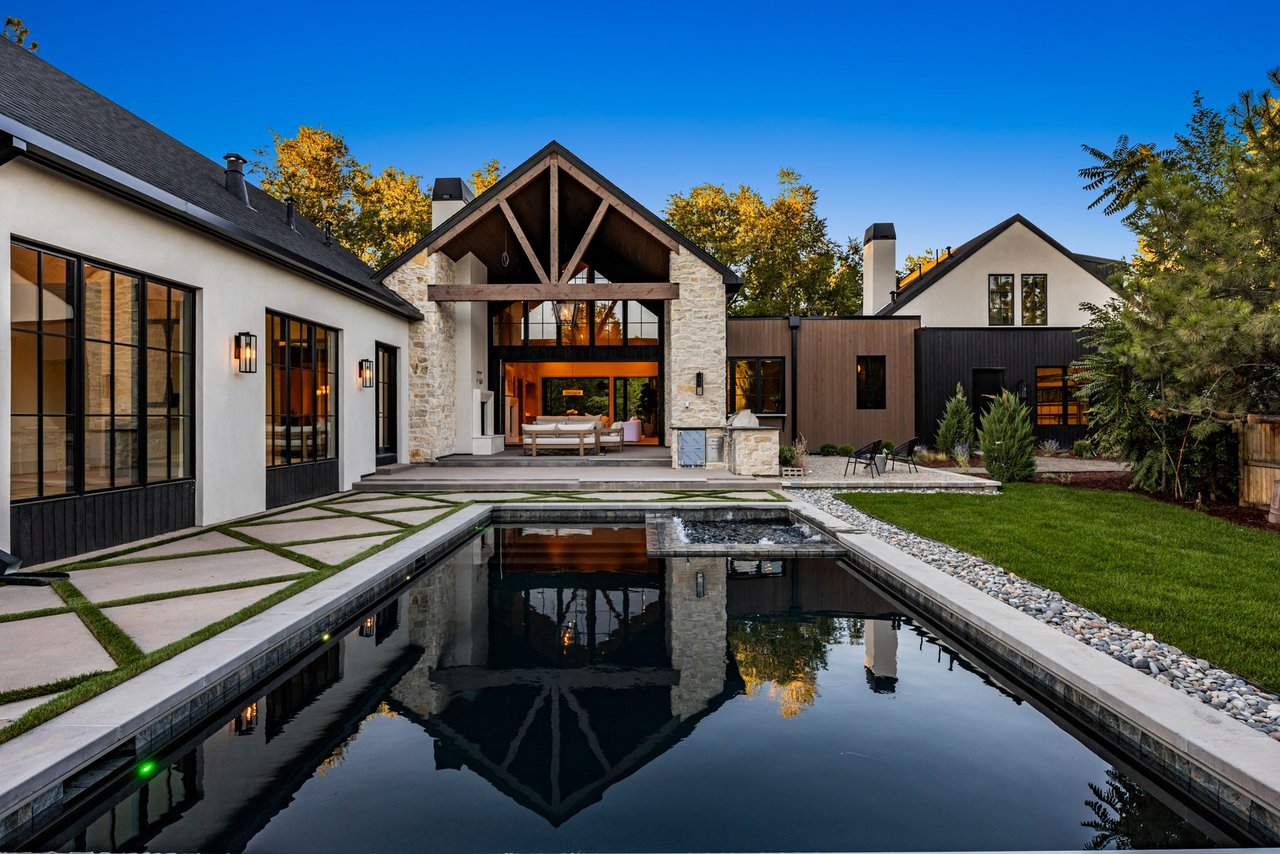
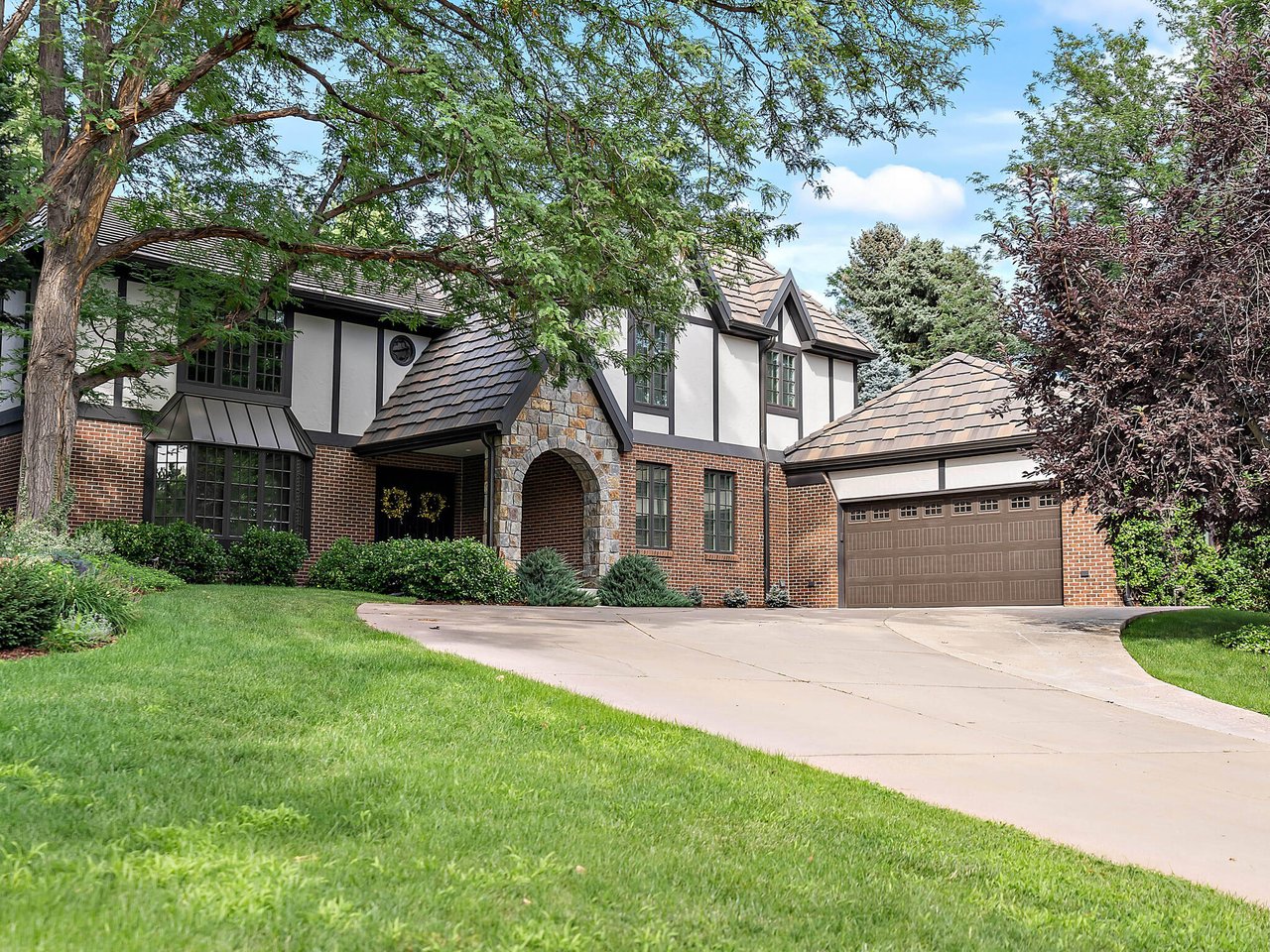
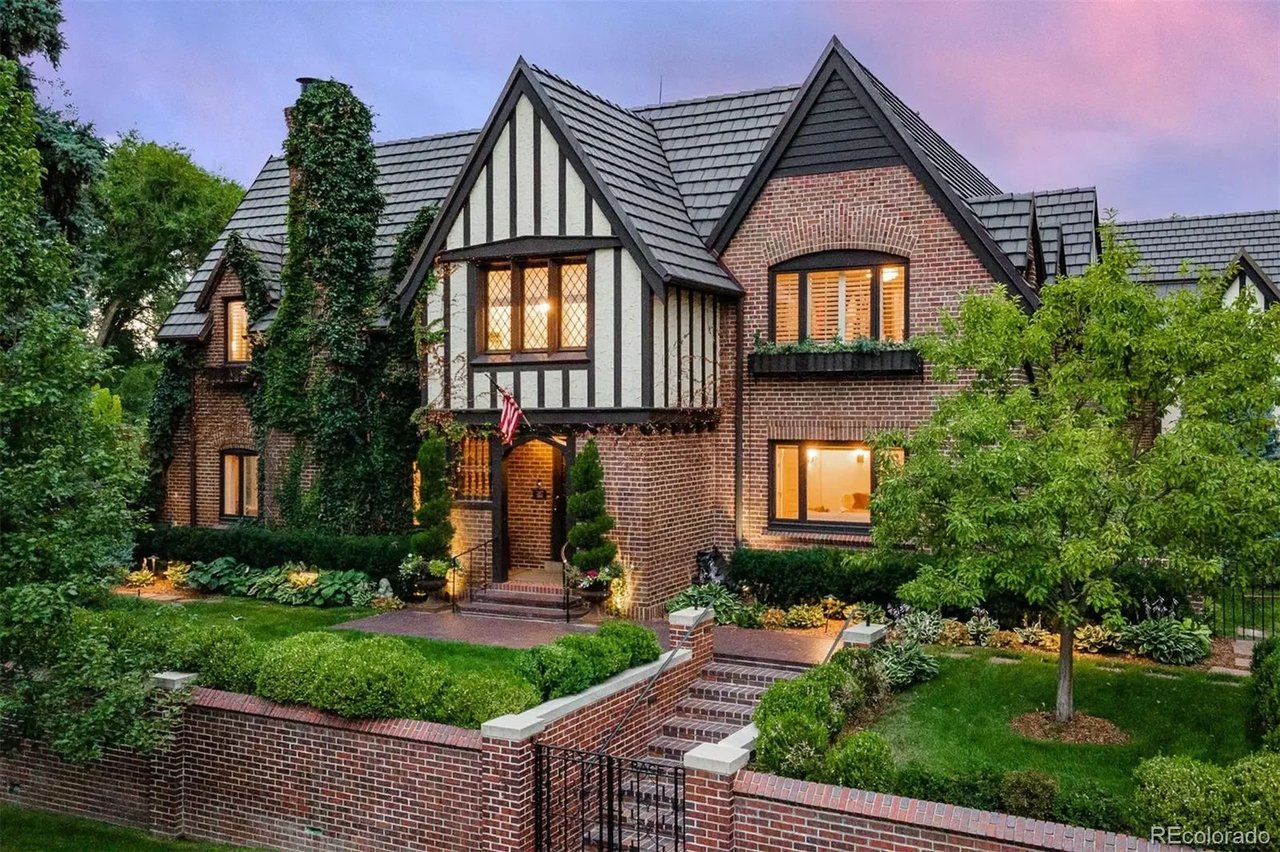
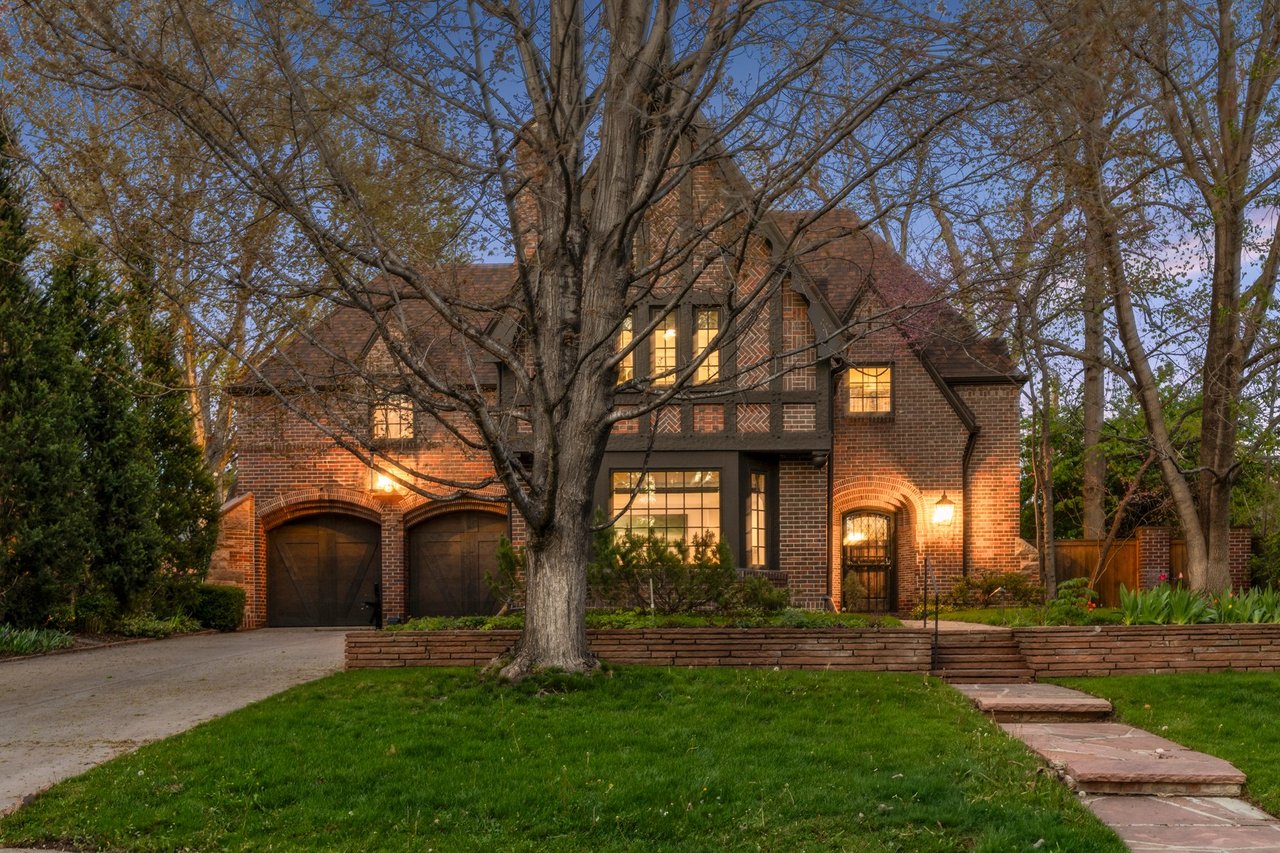
Custom estates sit mostly on the west and central sides. Expect mature landscaping, pools, and in some cases equestrian trail access, with styles ranging from traditional brick and stone to mountain rustic, Châteauesque, and modern prairie.
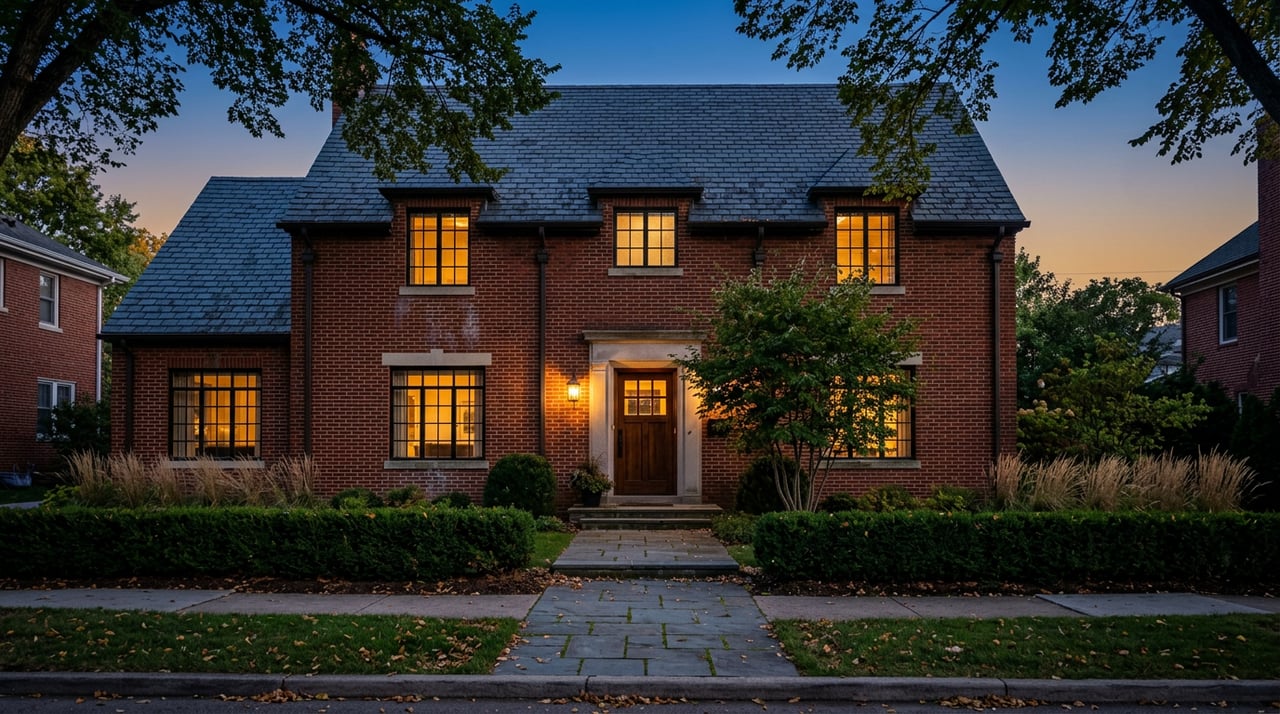
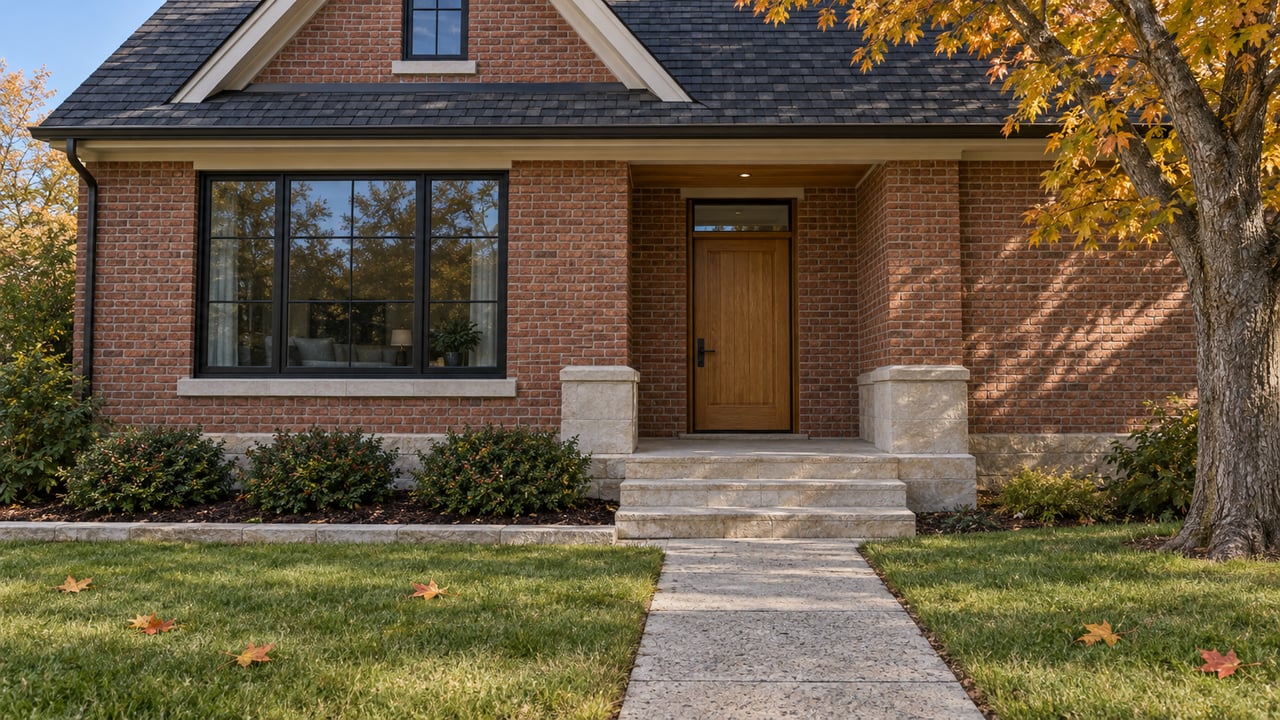
Established subdivisions were built largely from the late 1960s through the 1990s. Updated ranches, two-story colonials, and split-levels dominate. These are often the best value play in the city, since lot size and renovation level drive most of the price difference.
Patio homes and townhomes suit downsizers who want real square footage without yard work or snow removal. HOA dues run higher here because they cover exterior upkeep.
DTC condos and lofts cluster near I-25 and the Belleview and Orchard light rail stations, from entry-level one-bedroom lofts to full-service penthouses.
Overall costs run about 13% above the national average and about 3% above the Colorado average, according to ERI. Almost all of that premium comes from housing. Everyday expenses look a lot like the rest of the Front Range: utilities and transportation trend slightly below national averages, while groceries and healthcare sit near or a bit above them.
Rent is surprisingly reasonable compared to purchase prices. Apartments average $1,788 to $1,925 per month (Apartments.com, Zumper), with one-bedrooms from about $1,287 to $1,767 and two-bedrooms from about $1,475 to $2,383. Townhomes average around $2,177, and single-family rentals run $2,997 to $3,275.
The median household income is $149,029 (ERI). Zumper estimates about $77,000 a year to comfortably afford an average apartment, while buying a median-priced detached home generally takes a high-six-figure household income.
Homeowners should also budget for costs that don't show up in the listing price: HOA dues where applicable, irrigation and landscaping on larger lots, and insurance that accounts for Front Range hail.
The residential neighborhoods are safe. The citywide numbers just need context.
Violent crime runs about 3.86 to 3.92 per 1,000 residents (2024 FBI and NeighborhoodScout data), below the Colorado average of 4.76 and close to the national average. Property crime looks high on paper at 61.3 to 62.9 per 1,000, compared to a state average of about 26.
The reason is math, not neighborhoods. Greenwood Village has roughly 304 jobs for every 100 residents, so incidents tied to a huge daytime workforce and retail crowd get divided by a small permanent population of about 15,700. Most larceny, retail theft, and car break-ins happen along the I-25 commercial corridor, parking structures, and light rail stations near Orchard and Belleview. Interior residential enclaves away from the highway interchanges see very little crime.
Schools are a major reason buyers choose Greenwood Village. Most of the city is in the Cherry Creek School District, which Niche ranks among the top five districts in Colorado with an overall A. A small portion falls in Littleton Public Schools, so confirm boundaries for any specific address.
School | Grades | Niche Grade | Why It Stands Out |
|---|---|---|---|
Cherry Creek High School | 9–12 | A+ | #2 public high school in Colorado (Niche); ~3,852 students, 92% graduation rate, 1330 average SAT |
Campus Middle School | 6–8 | A | #5 public middle school in Colorado; main feeder to Cherry Creek High |
West Middle School | 6–8 | A | #10 public middle school in Colorado |
Challenge School | PK, K–8 | A | #1 public elementary in Colorado; district magnet for gifted learners |
Cherry Creek Charter Academy | K–8 | A | #2 public elementary in Colorado; Core Knowledge charter |
Cottonwood Creek Elementary | PK–5 | A | #12 public elementary in Colorado |
Greenwood Elementary | PK–5 | A | Neighborhood school within the city |
Belleview Elementary | PK–5 | A | Serves central and western Greenwood Village |
For private options, Kent Denver School (6–12), St. Mary's Academy (PK–12), and Denver Christian School (PK–12) are all within or just across the city line.
Downtown Denver is about 10 to 12 miles north, roughly 11 miles to Union Station. Driving up I-25 takes 17 to 25 minutes, though rush hours (7–9 a.m. and 4–6 p.m.) can stretch that. The RTD E and R light rail lines run from Orchard and Arapahoe at Village Center stations to downtown in about 30 minutes, with no traffic to worry about.
Getting to the DTC takes 5 to 10 minutes from almost anywhere in the city. Denver International Airport is 30 to 40 minutes via I-225 and I-70 or the E-470 tollway.
Where you live affects how you commute. Residents east of I-25 can walk or park-and-ride to light rail. Western neighborhoods rely on driving via Belleview Avenue, Orchard Road, or University Boulevard.
The city pairs big-name entertainment with more than 40 miles of trails and open space, which is an unusual mix for a suburb this close to downtown.
Fiddler's Green Amphitheatre is metro Denver's largest outdoor amphitheater, with about 7,000 fixed seats and lawn space for roughly 10,000 more. It hosts major tours from May through September with Front Range views. Next door, Marjorie Park and the Museum of Outdoor Arts offer large-scale sculpture, gardens, and seasonal programming.
At The Landmark, near Belleview and I-25, residents catch stand-up at Comedy Works South or a dine-in movie at Landmark Greenwood Village.
Outdoors, the Marjorie Perry Nature Preserve offers soft-surface trails through wetlands and cottonwood groves, popular with birdwatchers and riders. Village Greens Park North has an 18-hole disc golf course, a mountain bike skills course, and trail links to the Cherry Creek Regional Trail and Cherry Creek State Park, where the 880-acre reservoir supports boating, paddleboarding, fishing, and off-leash dog areas.
There's no single Main Street here. Instead, dining and shopping are spread across a handful of walkable, open-air hubs. Because so many offices are nearby, the scene leans toward polished lunch spots, steakhouses, and chef-driven neighborhood restaurants.
The Landmark feels the most like a downtown, with residences over storefronts, plus Zink Kitchen + Bar and Early Bird for brunch. Belleview Station, a transit-oriented hub on the Denver border, has the most energy, with Ruth's Chris, Saverina, Ambli Global, Los Chingones, Le French Bakery, Corvus Coffee, and the Belleview Beer Garden. Belleview Promenade is the upscale stop, anchored by Ocean Prime along with spas, jewelers, and apparel boutiques. The Orchard has a neighborhood feel, with The Wooden Table's handmade pasta, Chook Charcoal Chicken, and The French Press. For everyday errands, Belleview Square has King Soopers, banks, and wine shops.
Steakhouse fans have options near Fiddler's Green and Arapahoe Road, including Shanahan's, Del Frisco's Double Eagle, and Eddie V's, plus YaYa's Euro Bistro, Chianti, and Pindustry for pizza and arcade games. For bigger shopping trips, Cherry Creek Shopping Center is about 15 minutes north and Park Meadows is about 10 minutes south.
Over the past decade, the DTC has grown from a 9-to-5 office park into a real residential neighborhood. Living here feels urban-suburban and is very different from the estate side of town.
The upside is convenience. Major finance, tech, telecom, and legal employers are a short walk or drive away, and I-25, I-225, and three light rail stations (Belleview, Orchard, and Arapahoe at Village Center) are right there. Despite the office towers, Cherry Creek State Park sits just to the east, with more than 4,000 acres of open space, and the Cherry Creek Regional Trail and George M. Wallace Park connect nearby. Buildings like Landmark Towers and Vallagio offer concierge service and fitness centers, and pet owners use the Belleview Station Dog Park.
There are trade-offs. Weekday rush hours crowd Belleview, Orchard, and I-25, while weekends in the office core can feel quiet outside the dining hubs. Property crime concentrates around parking structures and stations. Homes near I-25, the rail lines, or Fiddler's Green get more highway and concert noise than western enclaves. And condo and townhome owners trade yard work for significant monthly HOA dues.
These are two of the city's main community parks, and they offer very different experiences.
Westlands Park (5701 S. Quebec St.) is the flagship, at about 28 acres. It has several playgrounds organized by age group, outdoor musical instruments, two multi-use fields, two pickleball courts, a basketball court, a pond, and seasonal water features from Memorial Day to Labor Day. The Center Pavilion seats up to 84, which makes it a go-to for birthday parties and team events. Note: The tot lot (ages 2–5) and main playground (ages 2–12) are closed for replacement through March 31, 2027. The northern playground (ages 5–12), courts, fields, and trails remain open.
Silo Park (9300 E. Orchard Rd. at S. Dayton St.) is quieter, at 11.81 acres. It's named for a historic grain silo that reflects the area's farming past, and it has community gardens, a small amphitheater, an interpretive wetland trail, one playing field, a playground, and a shelter for up to 50 with restrooms and grills.
The High Line Canal Trail is a 71-mile linear park that follows a 19th-century irrigation canal owned by Denver Water. About 5.47 miles of it run through Greenwood Village's western neighborhoods, making it the backbone of the city's trail system.
Locally, the path is wide, shaded, and soft-surface, lined with mature cottonwoods. Because it follows a gravity-fed canal, it drops only about 2 feet per mile, so it's nearly flat and works well for strollers, runners, gravel bikes, and horses. It passes Marjorie Perry Nature Preserve and Tommy Davis Park and connects to local bridle paths and spurs like the Little Dry Creek and Orchard trails.
Most access points are residential street crossings rather than parking lots, so visitors usually park at Westlands Park or Village Greens Park, or at trailheads in Cherry Hills Village and Centennial. The trail is open dawn to dusk for non-motorized use. Swimming, wading, and boating in the canal are prohibited. Free maps are available at City Hall (6060 S. Quebec St.).
Officially called Greenwood Village Day, this is the city's signature summer event. It takes place on a Saturday in late July (July 25 in 2026) from 4:00 to 9:30 p.m. at Village Greens Park (9501 E. Union Ave.). Expect carnival rides, live music, food trucks, community art, police K-9 and drone demonstrations, and fireworks to close the night.
The event is for Greenwood Village residents only. Admission is free, but you need to register online in advance. Parking at the park is limited, so overflow parking is usually set up at Cherry Creek High School.
It's one of several resident-only traditions that give the city a small-town feel, along with the Spring Egg Hunt at Westlands Park, the Fishing Derby at Tommy Davis Park, Fall Fest at City Hall and Carson Park, and the Mayor's Holiday Lighting in December. Art on the Green at Curtis Park rounds out the calendar.
Even with the DTC skyline in view, Greenwood Village deliberately protects its semi-rural, horse-friendly character. Large-lot zoning districts (R-1.0, R-1.5, R-2.0, and R-2.5) preserve low density, uncurbed bridle paths, and private horse facilities across much of the west and central city.
Greenwood Hills and Greenwood Tracks are the most horse-friendly areas, with non-HOA or lightly restricted lots of about 1 to 2.5+ acres, zoning that allows barns and paddocks, and direct access to bridle paths and the High Line Canal. The Preserve is a guard-gated community of 4,000 to 8,000+ square-foot estates bordering Marjorie Perry Nature Preserve and the canal trail. One Cherry Lane is a gated enclave on the Cherry Hills Village border, close to private riding clubs. The western acreage corridors near Quincy, Belleview, and Steele feature custom estates, often from $1.8M to over $6M, set among cottonwood groves with mountain views.
Three things matter most when buying a horse property here:
Coleen Sanders is a fourth-generation real estate broker with more than 25 years of experience in real estate and marketing, over $475 million in career sales, and a consistent place among Colorado's top 1% of producers according to DMAR, RealTrends, and 5280 Magazine. Based in Cherry Hills Village, right next to Greenwood Village, she has represented sales such as 5751 S Beech Court ($3,600,000) and 5750 Green Oaks Drive ($1,875,000), and she knows how pricing, school boundaries, and HOA covenants vary from one enclave to the next. Her background as a Corporate Director at Condé Nast, along with her role hosting the Emmy-nominated show The American Dream, shapes how she markets every home she lists. Whether you're relocating to Denver, moving up to an estate on the west side, or selling a home near the DTC, contact Coleen at (303) 921-2964 or [email protected] for a straightforward conversation about what a home is worth and what it will take to buy or sell it.
There's plenty to do around Greenwood Village, including shopping, dining, nightlife, parks, and more. Data provided by Walk Score and Yelp.
Explore popular things to do in the area, including Robin's Cupcakes, Reavis Plaza, and BAMS.
| Name | Category | Distance | Reviews |
Ratings by
Yelp
|
|---|---|---|---|---|
| Dining | 0.98 miles | 5 reviews | 4.8/5 stars | |
| Shopping | 0.82 miles | 0 reviews | 0/5 stars | |
| Active | 0.5 miles | 0 reviews | 0/5 stars | |
| Active | 0.52 miles | 0 reviews | 0/5 stars | |
| Active | 0.58 miles | 0 reviews | 0/5 stars | |
| Active | 0.6 miles | 0 reviews | 0/5 stars | |
| Active | 0.75 miles | 0 reviews | 0/5 stars | |
| Active | 0.97 miles | 1 review | 5/5 stars | |
| Active | 1 miles | 0 reviews | 0/5 stars | |
| Beauty | 0.67 miles | 0 reviews | 0/5 stars | |
| Beauty | 0.67 miles | 1 review | 5/5 stars | |
| Beauty | 0.9 miles | 0 reviews | 0/5 stars | |
| Beauty | 0.96 miles | 0 reviews | 0/5 stars | |
| Beauty | 1.17 miles | 27 reviews | 3.9/5 stars | |
|
|
||||
|
|
||||
|
|
||||
|
|
||||
|
|
||||
|
|
Greenwood Village has 6,610 households, with an average household size of 2.31. Data provided by the U.S. Census Bureau. Here’s what the people living in Greenwood Village do for work — and how long it takes them to get there. Data provided by the U.S. Census Bureau. 15,420 people call Greenwood Village home. The population density is 1,866 and the largest age group is Data provided by the U.S. Census Bureau.
Total Population
Population Density Population Density This is the number of people per square mile in a neighborhood.
Median Age
Men vs Women
Population by Age Group
0-9 Years
10-17 Years
18-24 Years
25-64 Years
65-74 Years
75+ Years
Education Level
Total Households
Average Household Size
Average individual Income
Households with Children
With Children:
Without Children:
Blue vs White Collar Workers
Blue Collar:
White Collar:
 Lone Tree
 Wellshire (Southern Hills)
 Arvada
 Platt Park
 Lakewood
 Highlands Ranch
 Centennial
 Polo Club
 Park Hill
 Congress Park & 7th Ave Historic District
 Central Park
 Cory-Merrill
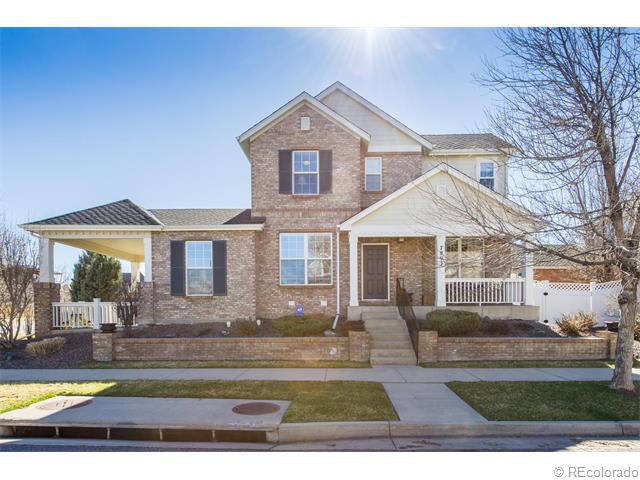 Lowry
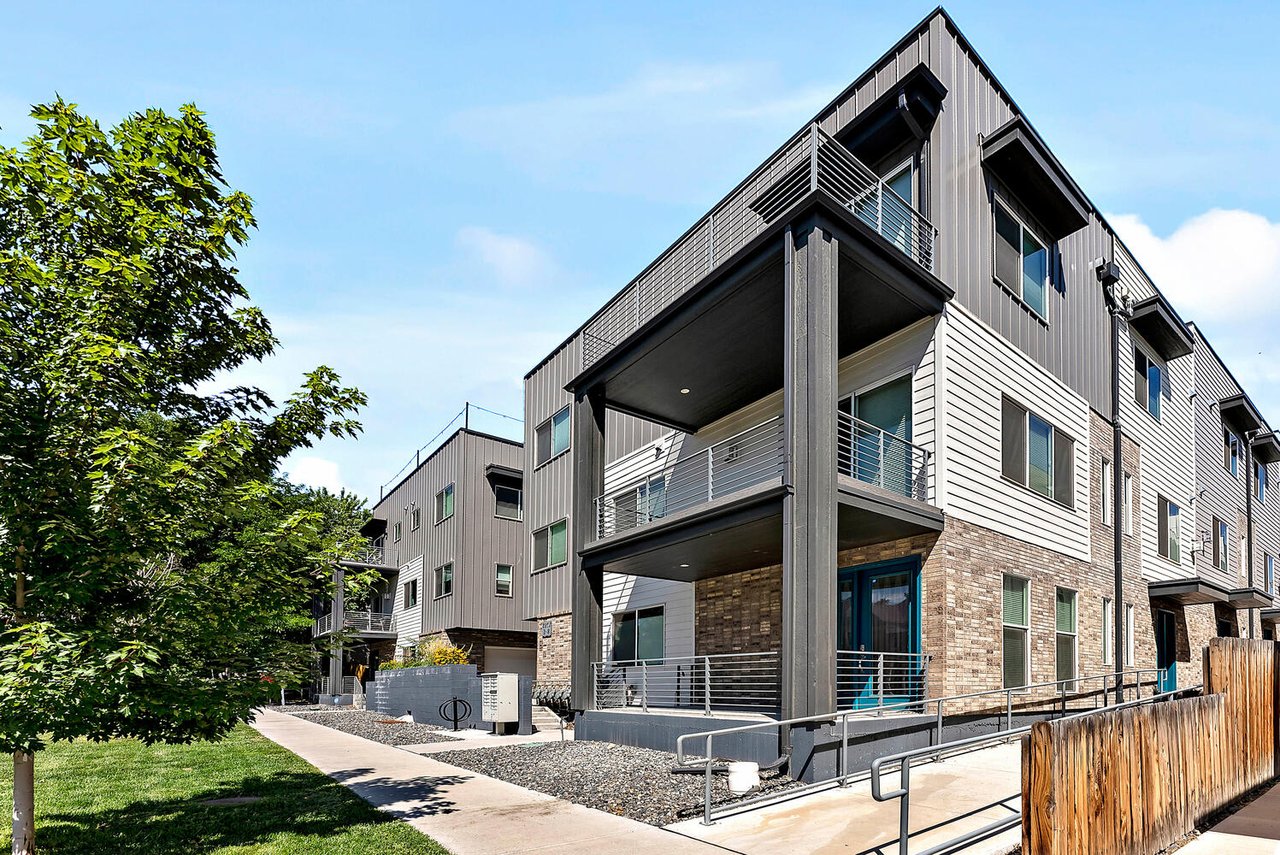 Highlands
Greenwood Village
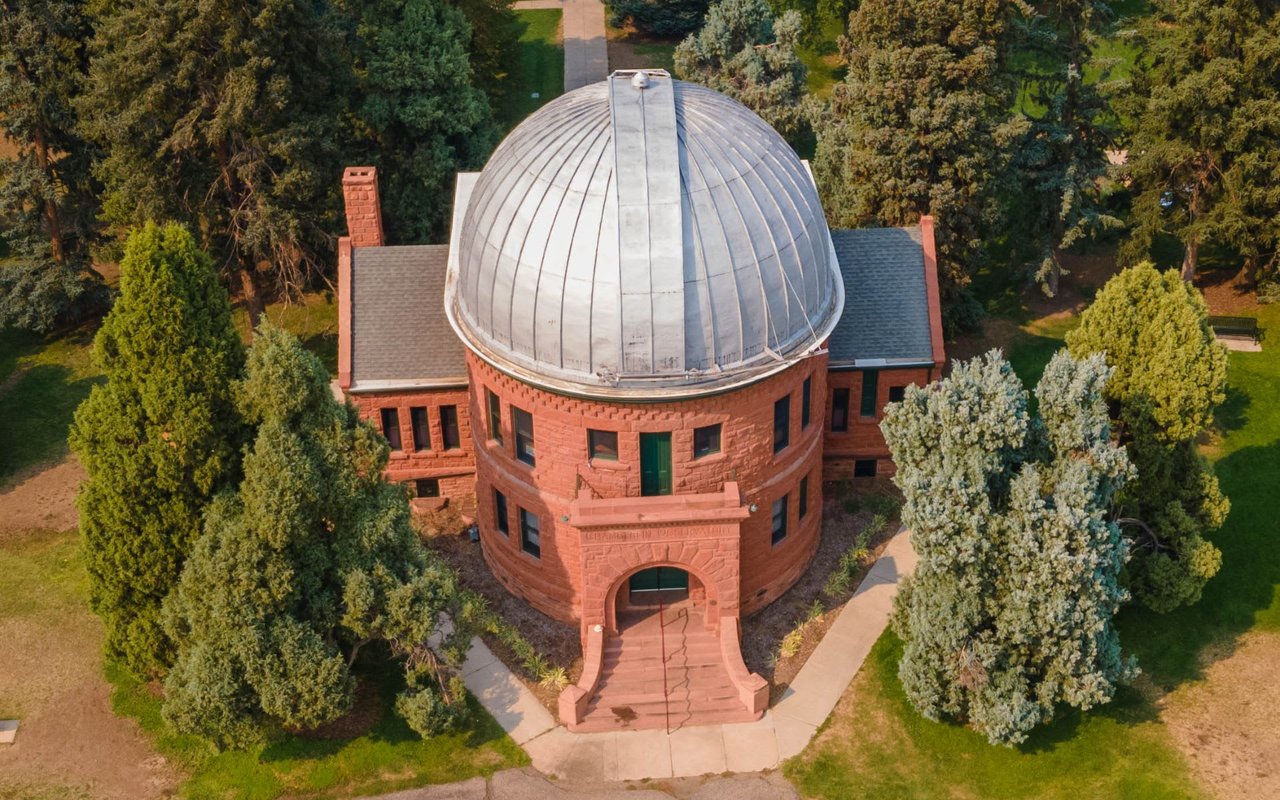 Observatory Park (University Park)
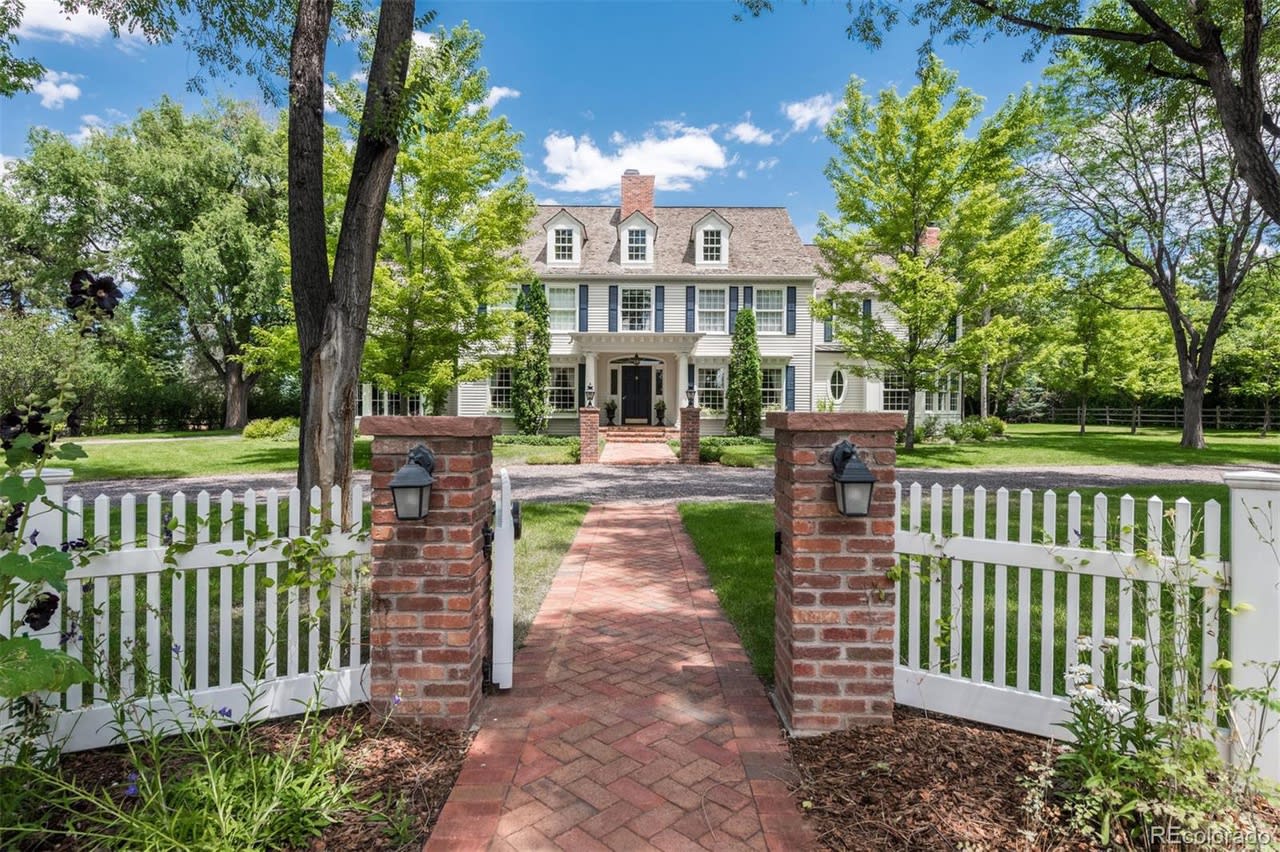 Cherry Hills Village
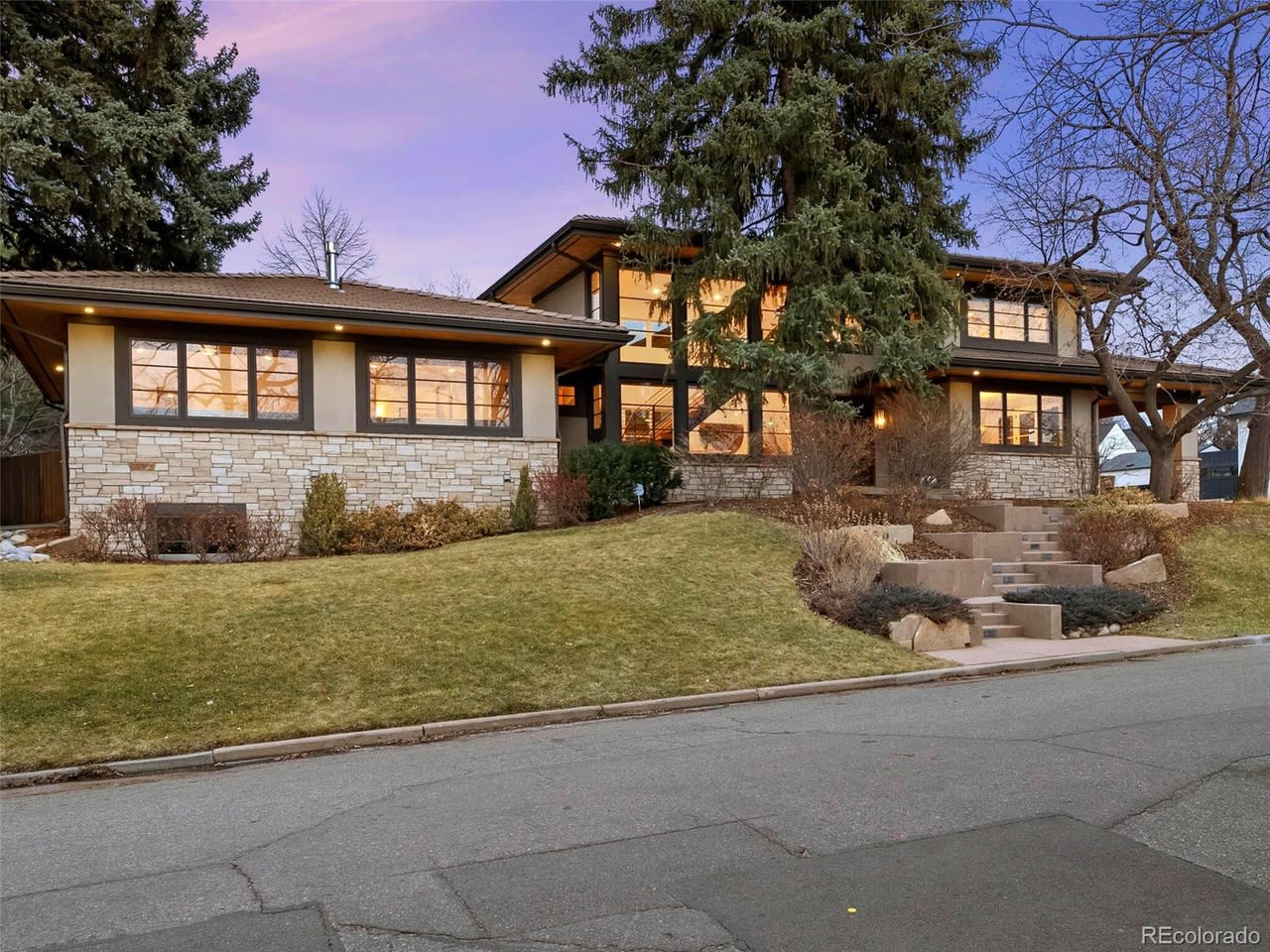 Belcaro
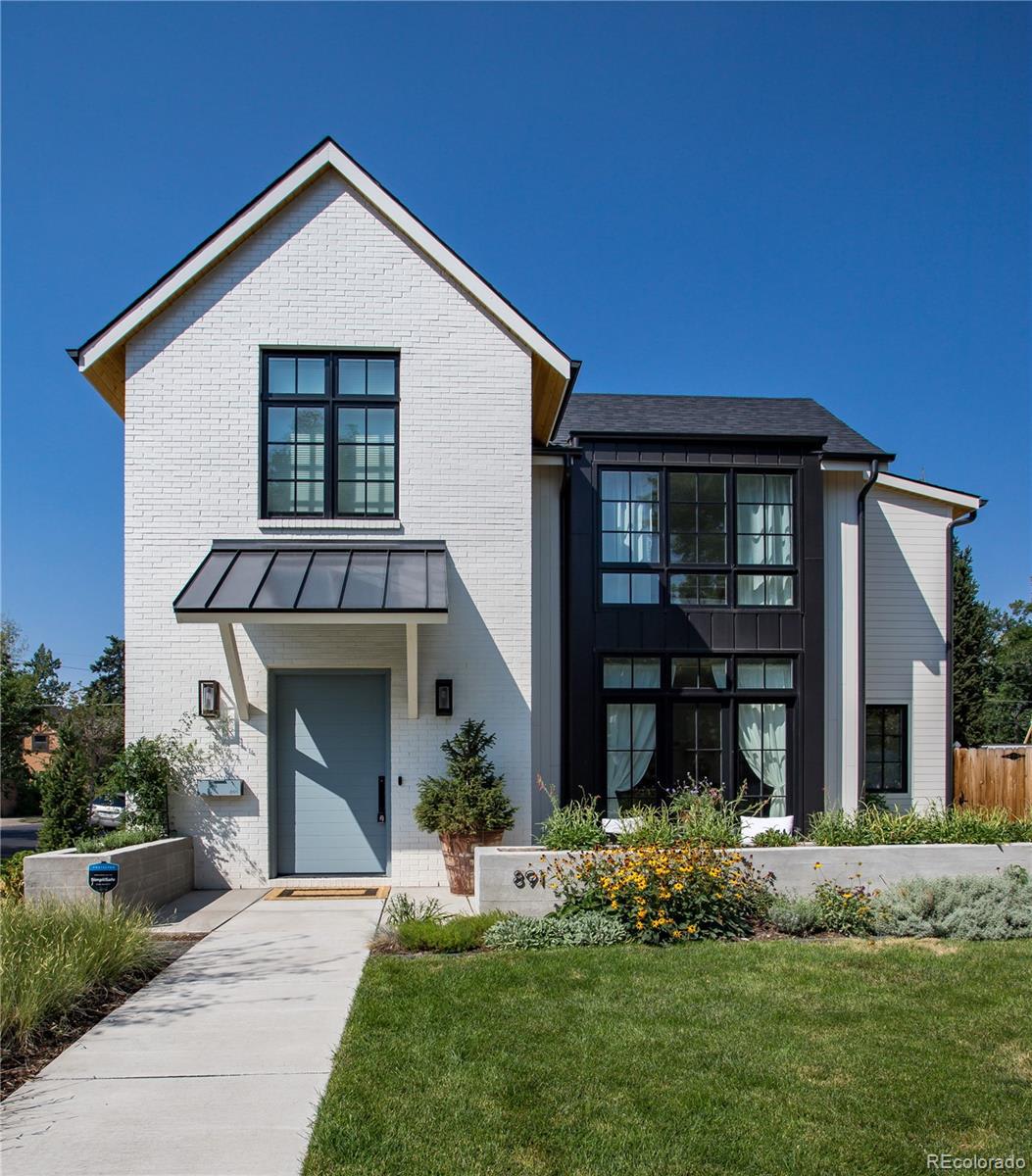 Washington Park
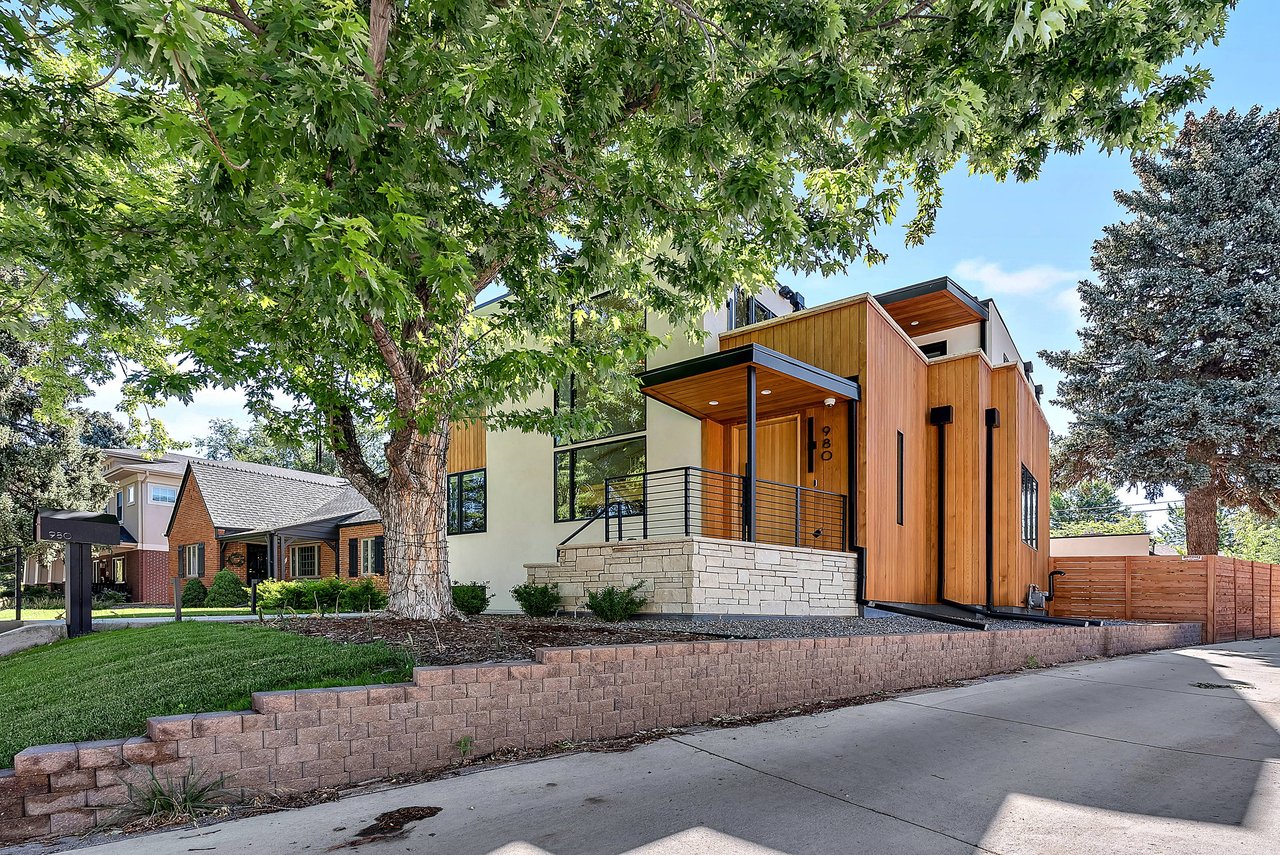 Bonnie Brae
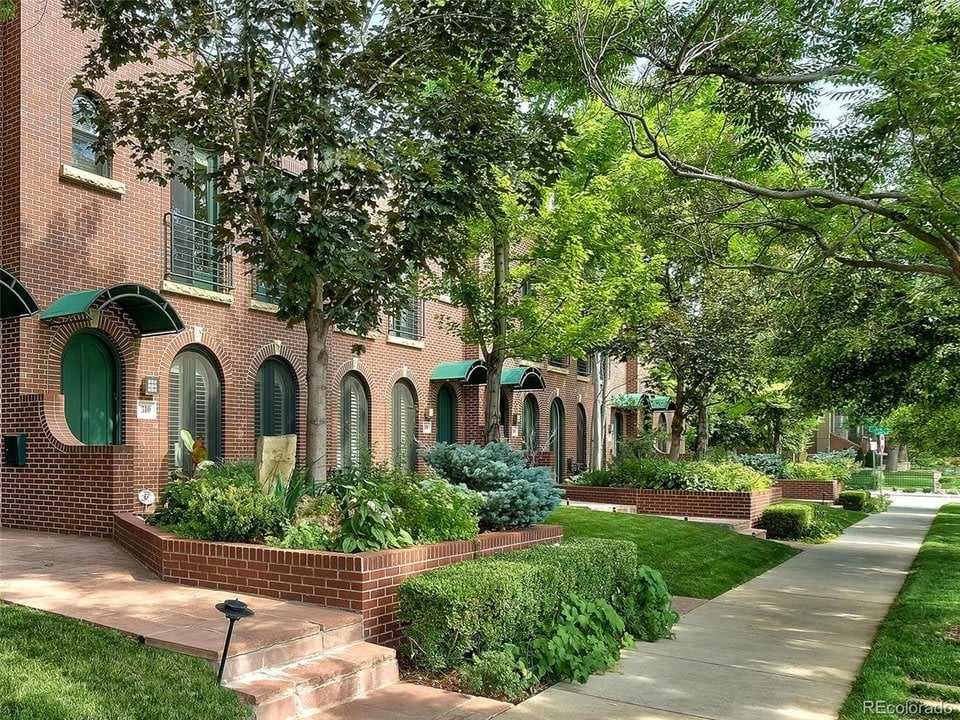 Cherry Creek
 Country Club
 Hilltop & Crestmoor
200 Columbine Street, Suite 400 Denver, CO 80206
200 Columbine Street, Suite 400 Denver, CO 80206