10,269 people live in Highlands, where the median age is 36 and the average individual income is $101,008. Data provided by the U.S. Census Bureau.
Total Population
Median Age
Population Density
Average individual Income
The Highlands sits on the bluffs directly northwest of downtown Denver, just across I-25 and the South Platte River. It is close enough to walk to Union Station but has its own identity. From many blocks you get a clear view of the skyline, while the streets themselves are lined with mature trees, 1890s Victorians, and front porches.
Most Denver neighborhoods make you choose between historic character and urban convenience. The Highlands offers both, which is unusual. On a single walk you might pass a restored Queen Anne, a glass-and-steel modern infill, a Michelin-starred restaurant, and an independent bookstore that has been open since the 1990s. For buyers, that variety means one neighborhood name covers very different ways of living. Knowing which part of the Highlands fits your life matters more than knowing the zip code.
The Highlands began as its own town. After the 1858–59 Gold Rush, settlers built on this high ground above the South Platte River. The elevation gave them cleaner air, protection from river flooding, and distance from early Denver's smoke and saloons. The town of Highlands incorporated in 1875 and marketed itself as a wholesome, family-oriented alternative to the city, with strict limits on saloons and industry.
Cable cars and electric streetcars soon connected the Highlands to central Denver, making it one of the city's first streetcar suburbs. That transit boom explains the many grand Victorians in the area today. Rapid growth was expensive, however. Water lines, paving, and public services left the town in debt, and in 1896 residents voted to join Denver.
Through the 20th century, Italian, Irish, and Latino families shaped North Denver's culture, and many of its longtime restaurants and parishes come from that period. The modern revival started in the late 1990s and 2000s, when a series of pedestrian bridges over I-25, the river, and the rail yards reconnected the Highlands to downtown on foot. Investment followed, and the neighborhood became one of the most sought-after in the city.
Locals call the whole area "the Highlands," but it contains distinct pockets, and each one suits a different buyer.
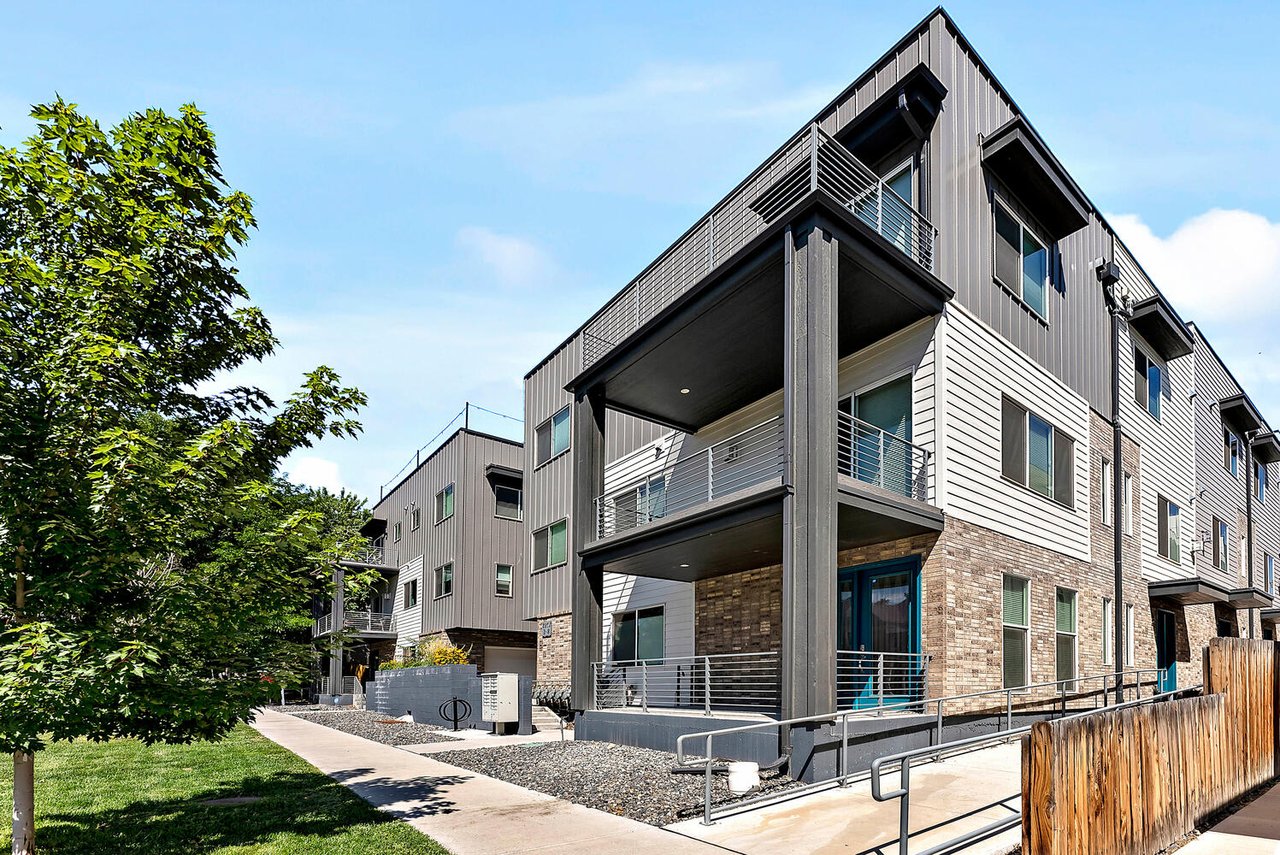
LoHi (Lower Highland) is the eastern slope closest to downtown, roughly bounded by I-25, Speer Boulevard, and 38th Avenue. It is the densest and busiest part of the Highlands. Modern townhomes and condos sit next to century-old brick buildings, rooftop decks face the skyline, and the Highland Bridge puts you on Platte Street within minutes. Young professionals, downsizers, and anyone who wants to walk everywhere tend to choose LoHi.
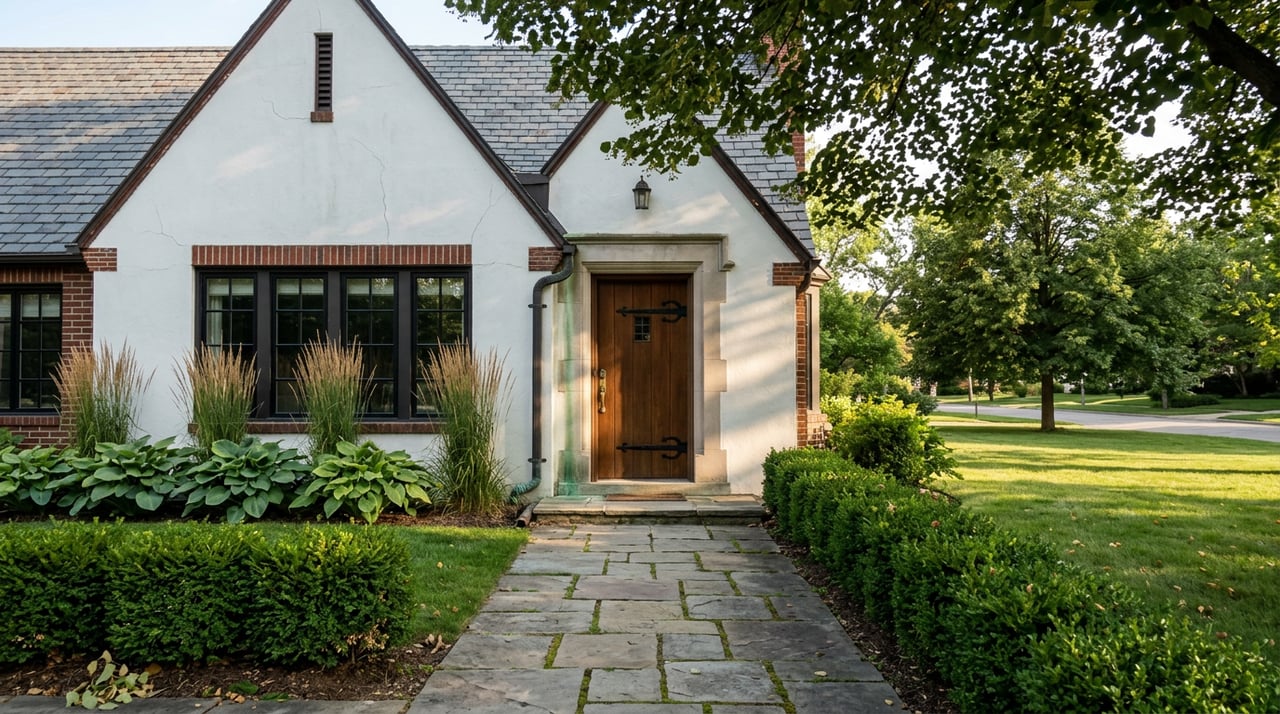
West Highland lies further west and is noticeably quieter. It has tree-lined residential streets, deep lots, and many original Victorians, Denver Squares, bungalows, and Tudors. Families and buyers who want historic character with some breathing room usually focus here.
Highland Square is the small commercial center of West Highland, around 32nd Avenue and Lowell Boulevard. It has the feel of a main street, with coffee shops, a well-known used bookstore, a cheese shop, and patio dining. Homes within a few blocks of the square are among the most competitive in the area because they offer residential calm within walking distance of shops and restaurants.
LoHi | West Highland & Highland Square | |
|---|---|---|
Atmosphere | Energetic, dining and nightlife-focused | Residential, historic, community-oriented |
Typical housing | Modern townhomes, condos, duplexes, restored brick | Victorians, Denver Squares, bungalows, Tudors |
Downtown access | Walk across the pedestrian bridges to Union Station | Short drive, bike ride, or Route 32 bus |
Best fit | Car-light lifestyle, skyline views, low maintenance | Yards, character homes, quieter streets |
Homes in the Highlands span about 150 years of construction, so buying here is as much about architecture as about location.
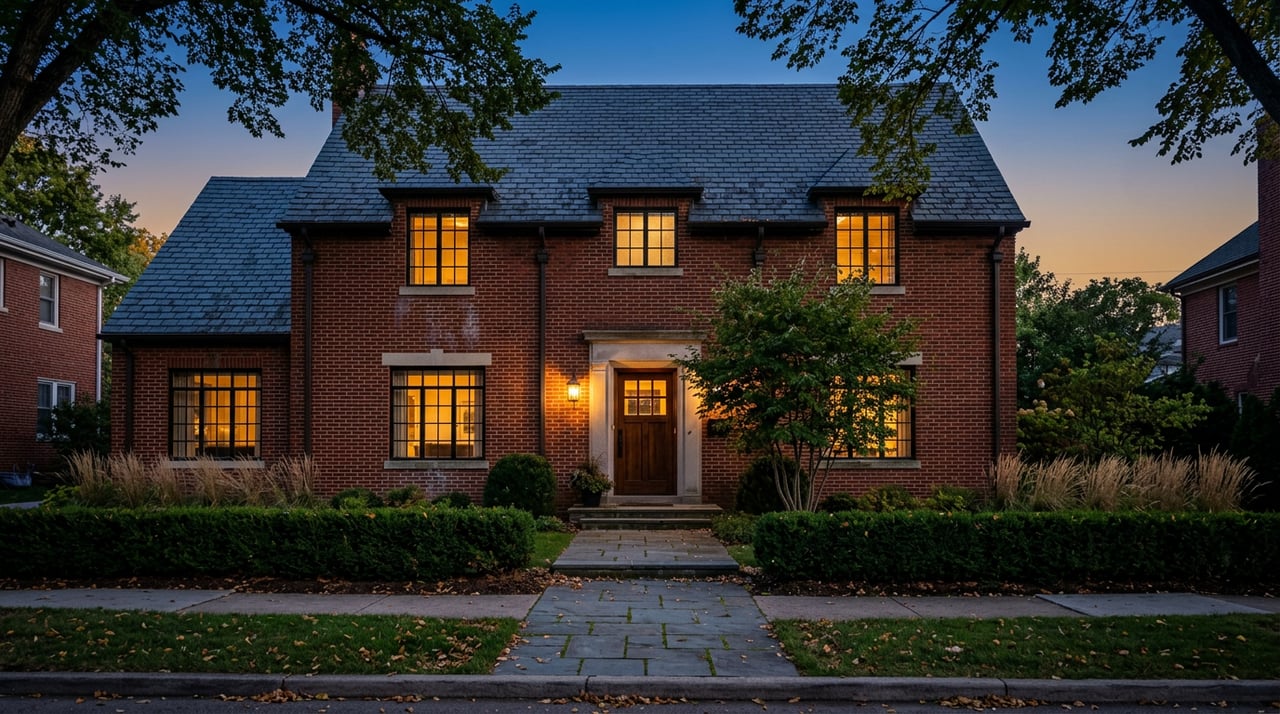
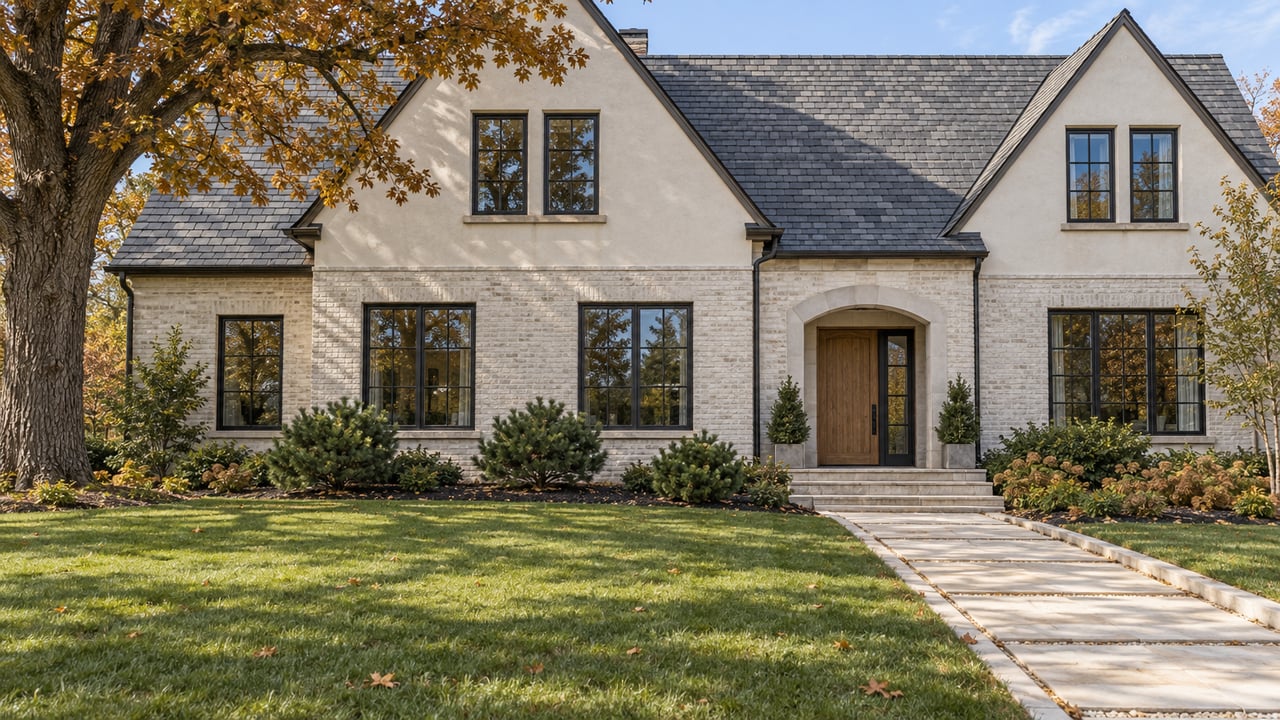
Victorians from the late 1800s and early 1900s are the most prized. They feature steep gables, decorative trim, stained glass, tall ceilings, and original woodwork. Many are in the Potter Highlands Historic District, where landmark protections keep the facades intact and teardowns rare. Expect fully renovated interiors behind preserved exteriors.
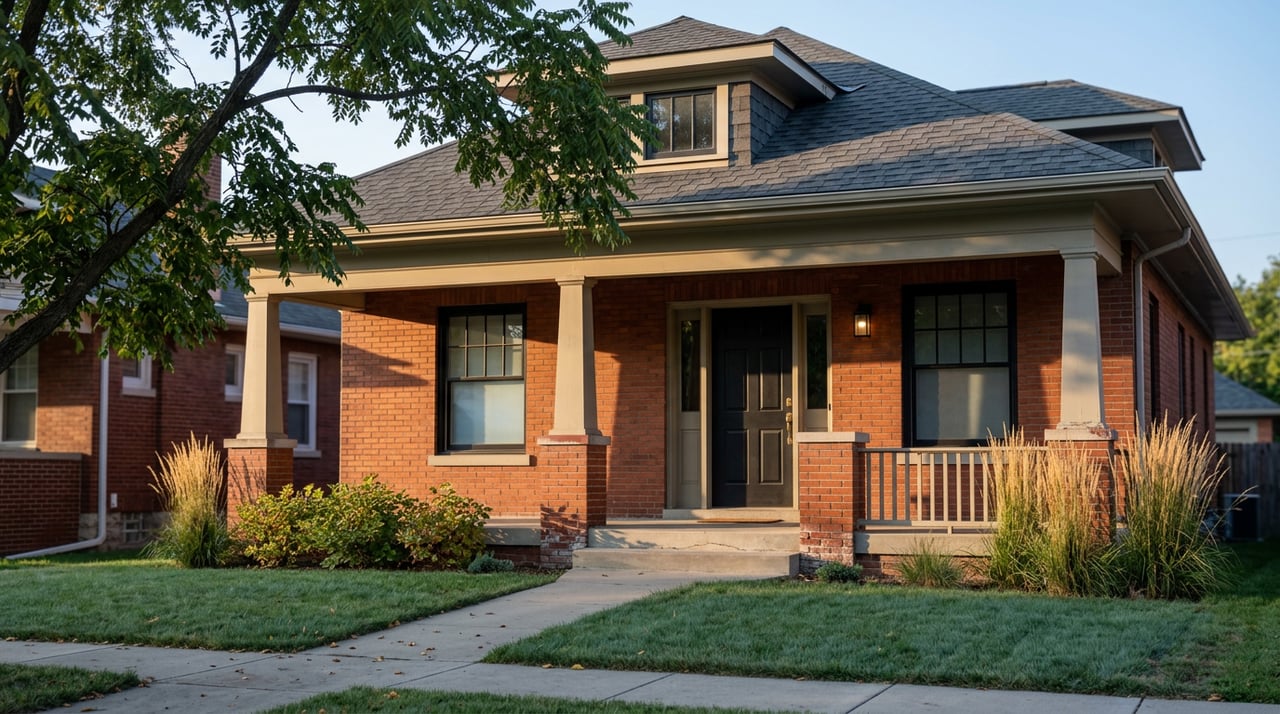
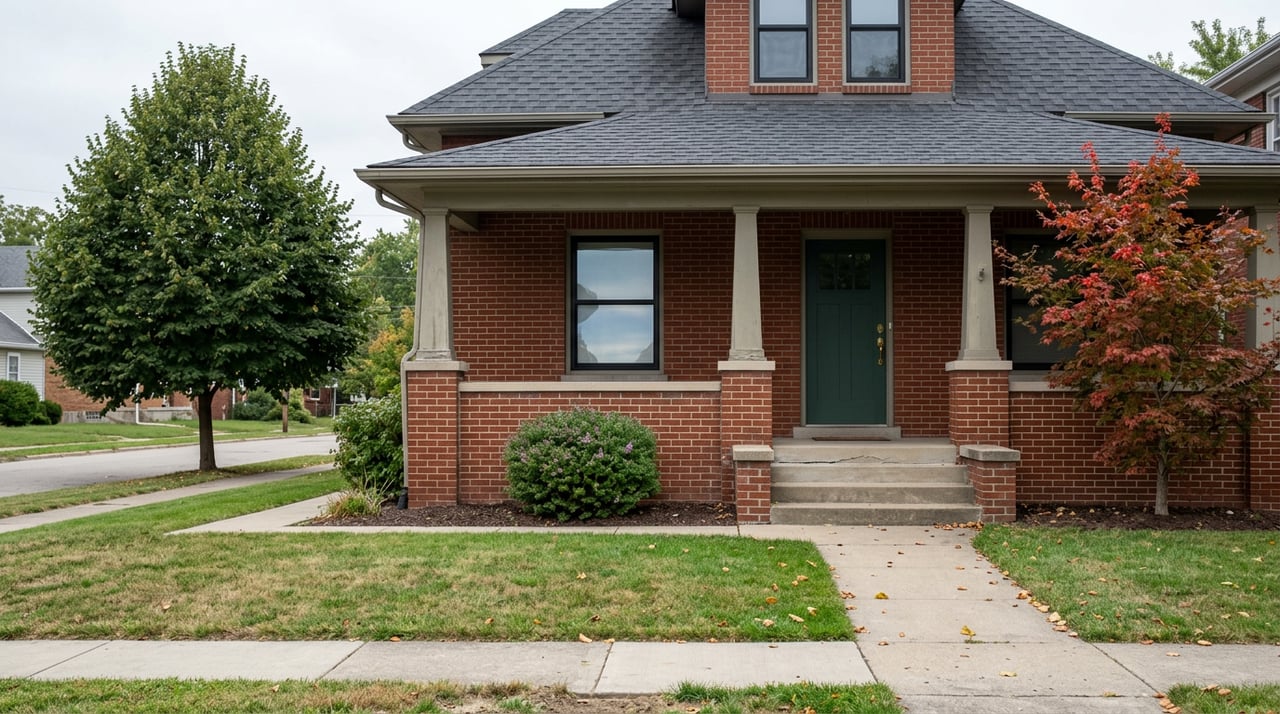
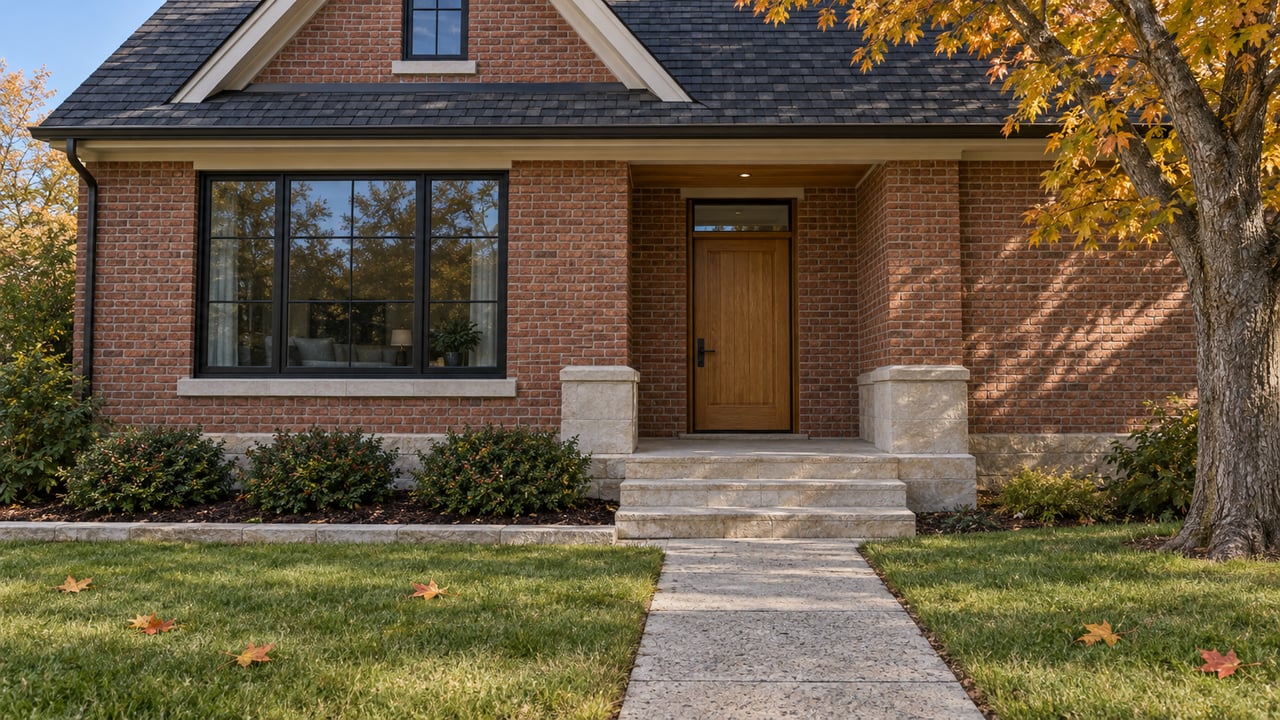
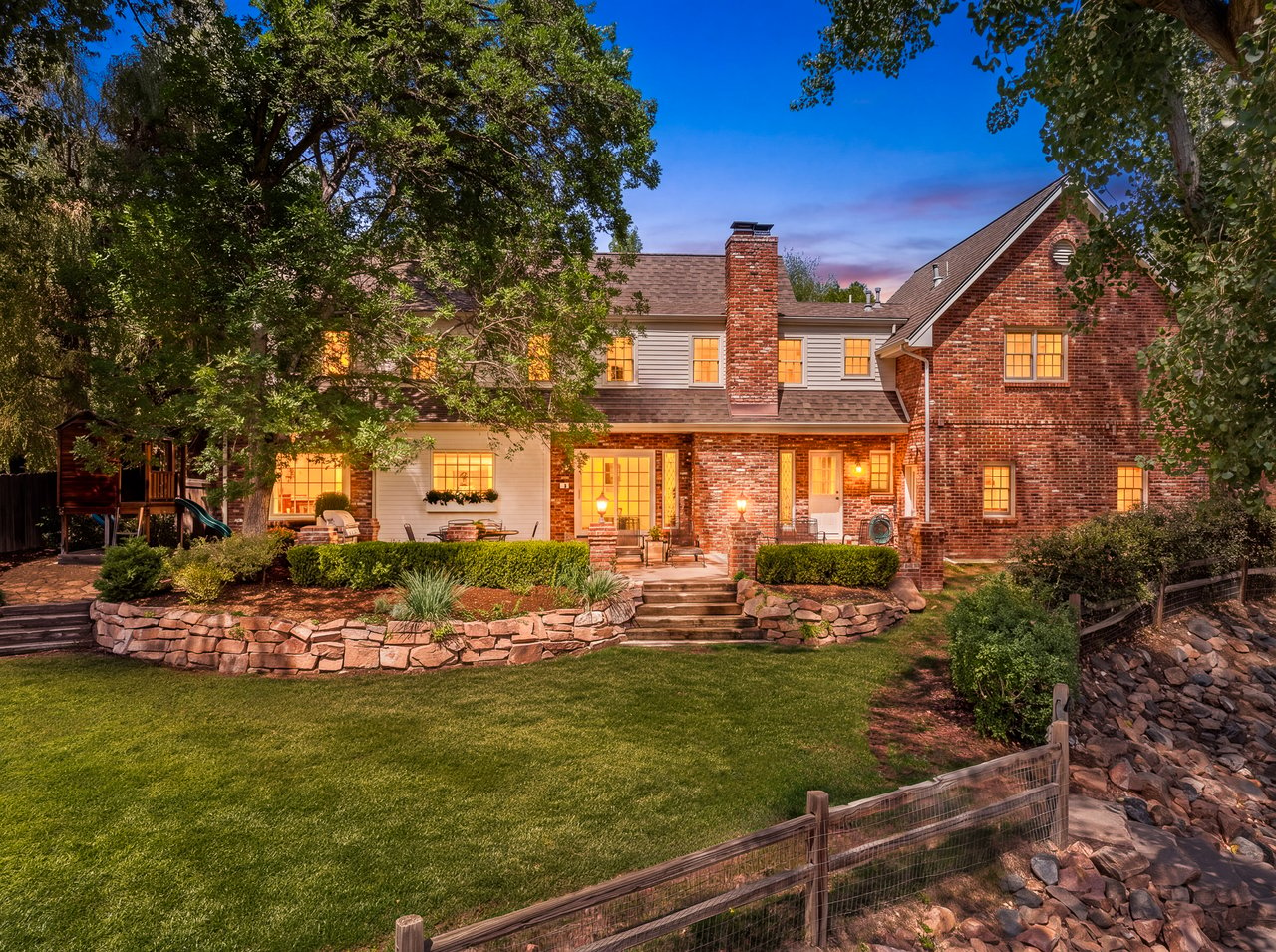
Denver Squares (1890s–1920s) are the practical classic. These symmetrical two-story brick homes have wide front porches and usually three to four bedrooms upstairs, which is why families often choose them over Victorians.
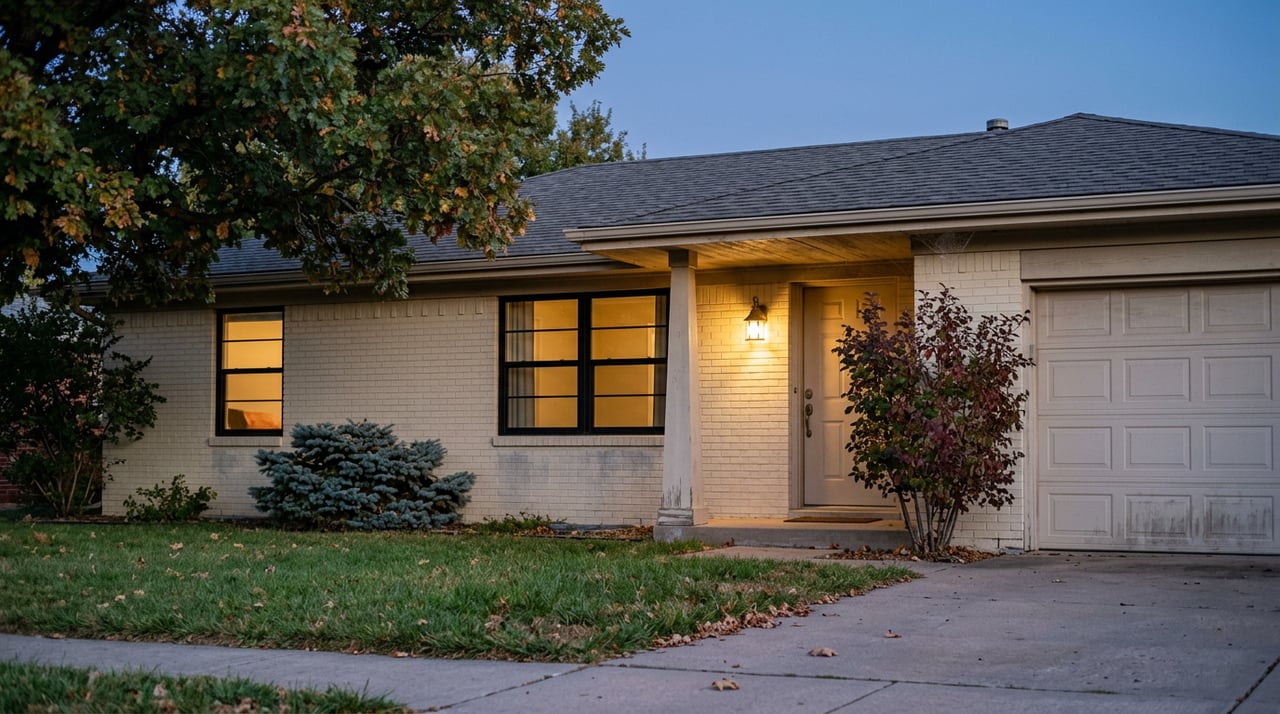
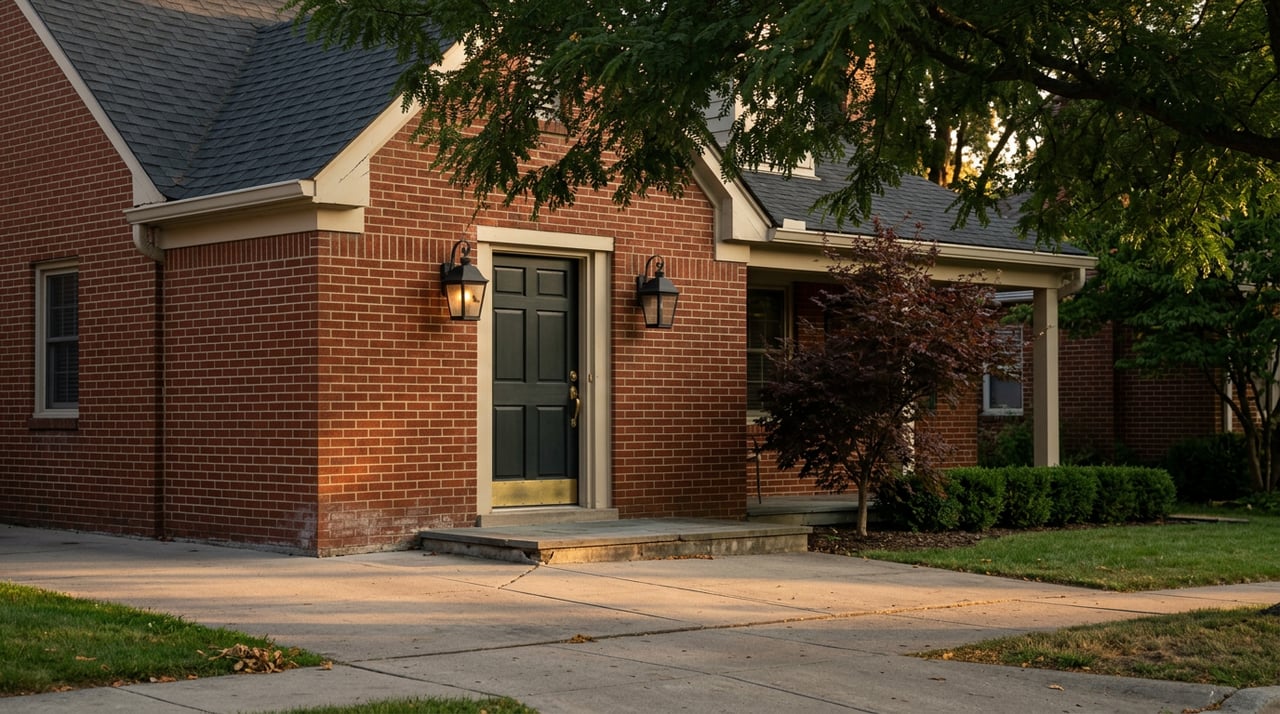
Craftsman and brick bungalows (1910s–1930s) make up much of West Highland. They offer covered porches, built-ins, single-story or 1.5-story layouts, and private backyards. Many have been expanded with pop-tops or rear additions, so square footage varies widely.
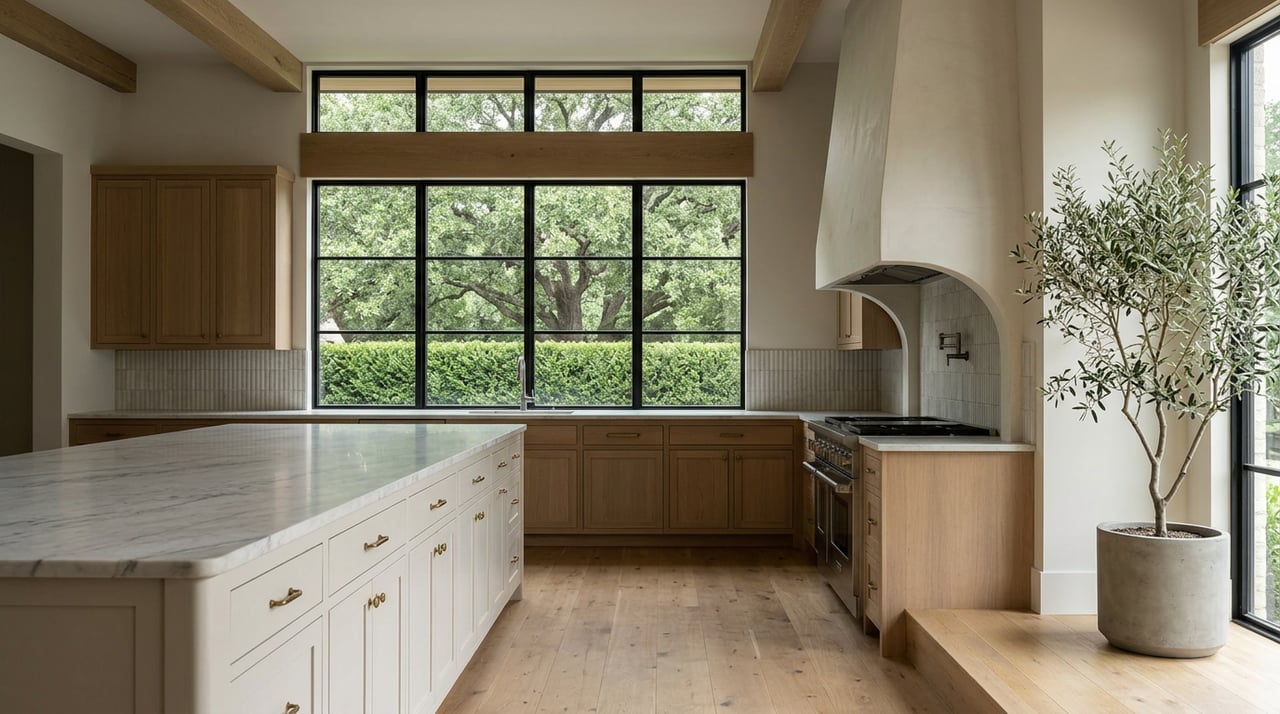
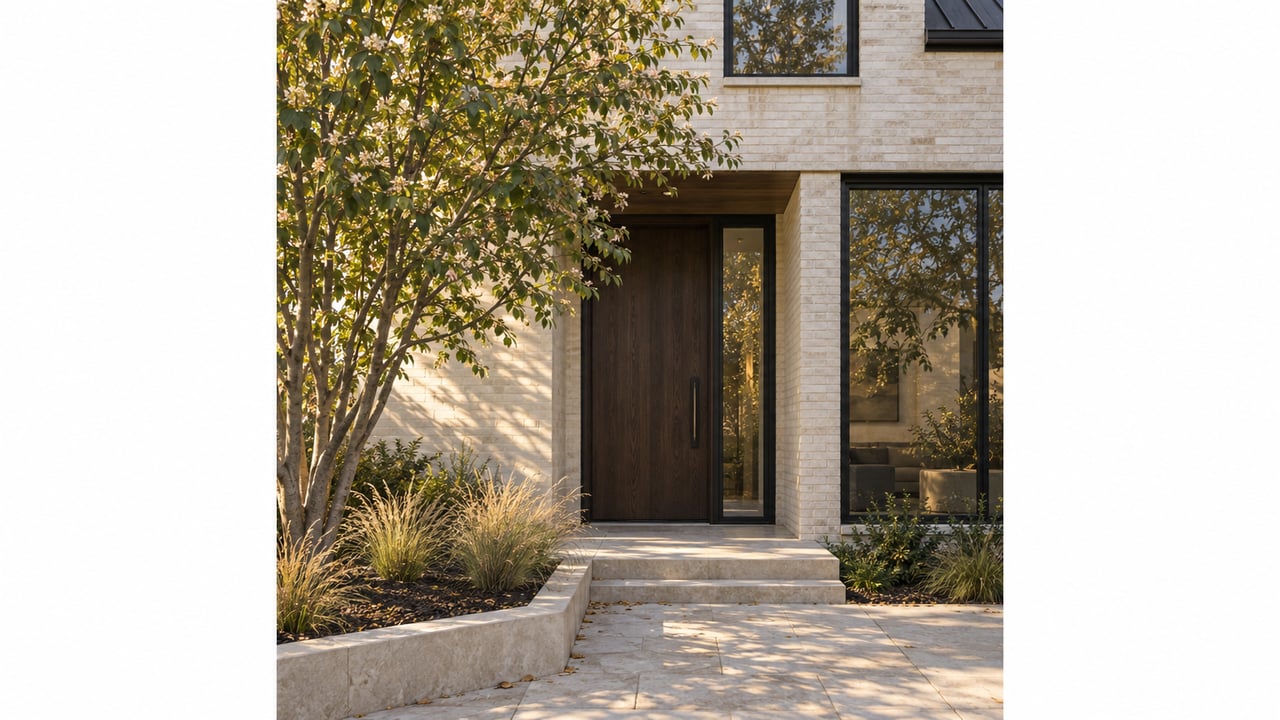
Modern infill (2000s to today) dominates LoHi and the redeveloped corridors of West Highland. These homes have open floor plans, attached garages, rooftop decks, and energy-efficient construction. They range from side-by-side duplexes and townhomes to luxury single-family homes.
The trade-off is simple. Historic homes offer character and lot size but may have older systems and preservation rules. Modern builds offer convenience and views but often have smaller lots and less separation from neighbors.
The Highlands has some of the highest price-per-square-foot figures in Northwest Denver. Walkability, proximity to downtown, and a limited supply of historic homes all drive that pricing. The ranges below are approximate and vary by block, condition, and sub-area.
Property Type | Approximate Price Range |
|---|---|
Condos & townhomes | $450,000 – $850,000+ |
Updated bungalows | $700,000 – $950,000 |
Victorians & Denver Squares | $900,000 – $1,500,000+ |
Luxury modern infill | $1,200,000 – $2,500,000+ |
A few patterns matter more than the averages. In LoHi, attached homes and condos often reach $500–$700+ per square foot, because buyers pay for being able to walk to Union Station. In West Highland, value depends more on lot size and historic integrity, and fully modernized single-family homes regularly sell for $1M–$2M+.
Days on market have generally been in the 30–60 day range, which points to a more balanced market than during the pandemic years. The exception is well-priced homes near Highland Square or with skyline views, which can still draw quick, competitive offers. Over the long term, historic district protections and the neighborhood's fixed boundaries limit supply, and that has helped the Highlands hold value well.
LoHi is one of Denver's main dining destinations. Alma Fonda Fina, led by Chef Johnny Curiel, earned a Michelin star for its modern take on Guadalajara-style cooking. Williams & Graham, a speakeasy entered through a bookstore façade at 32nd and Tejon, is one of the most awarded cocktail bars in the country. Avanti F&B combines a two-level food hall with a rooftop that has some of the best downtown views in the neighborhood. Little Man Ice Cream, in its giant cream-can building, draws long summer lines.
West 32nd Avenue changes character as it heads west. The trendy restaurants give way to neighborhood favorites such as Highland Tap and Burger, Blue Pan Pizza with its Detroit-style deep dish, and El Camino Community Tavern, which supports local schools. LoHi is where you take visitors on a Saturday night. West 32nd is where you go on a weeknight without a reservation.
Highland Square is small, and residents like it that way. West Side Books has sold used and rare titles for decades. St. Kilian's Cheese Shop carries artisan cheeses and imported goods. Mondo Vino is known for knowledgeable wine recommendations, and The Perfect Petal sells flowers and gifts. In summer, the farmers market and street fairs turn the square into the neighborhood's gathering place.
A short drive or bike ride northwest takes you to Tennyson Street in neighboring Berkeley, a longer retail strip between roughly 38th and 44th Avenues. It has heritage menswear at Berkeley Supply, women's boutiques, home décor shops, pet stores, and galleries. The First Friday art walk keeps businesses open late and brings neighbors out. Together, Highland Square and Tennyson Street give the area something many Denver neighborhoods lack: shopping that is local rather than chain-store retail.
The Highlands is urban, but three major outdoor areas are close by, each with a different purpose.
Highland Park, near Federal Boulevard and 32nd Avenue, is a historic park with large shade trees, open lawns, and the Woodbury Branch Library. It is best for dog walks and picnics rather than organized sports.
Sloan's Lake Park, just south of West Highland, has Denver's largest lake and the city's second-largest park. Its 2.6-mile paved loop offers views of the downtown skyline on one side and the Front Range on the other. Runners, cyclists, and paddleboarders use it daily, and it hosts the annual Colorado Dragon Boat Festival.
The South Platte River Trail, at the bottom of LoHi, is a paved, car-free route that runs more than 28 miles through metro Denver. It connects to Confluence Park, where residents kayak, bike to work downtown, or switch to the Cherry Creek Trail.
The Highlands is in Denver Public Schools. Families can attend their boundary school or apply elsewhere through DPS SchoolChoice, which includes magnet, charter, and out-of-boundary options.
At the elementary level, Edison Elementary in West Highland has a strong reputation for academic growth and active parent involvement. Brown International Academy offers an International Baccalaureate program, and Valdez Elementary is in high demand for its Spanish-English dual-language immersion. Older students typically attend Skinner Middle School and North High School, a historic campus with AP courses, athletics, and arts programs. Several tuition-free public charter schools also serve the area, and private and parochial options are within a reasonable drive.
Boundaries can change and sometimes split a street. Families should confirm a home's assigned schools with DPS before making an offer.
Commuting is one of the Highlands' strongest selling points. LoHi and Highland Square routinely post Walk Scores in the high 80s to low 90s, so daily errands rarely require a car.
The key feature is a chain of three pedestrian bridges along the 16th Street axis. The Highland Bridge crosses I-25 to Platte Street, the Platte River Pedestrian Bridge crosses into Commons Park, and the Millennium Bridge crosses the rail tracks into LoDo. From much of LoHi, that is a 10 to 15-minute walk to Union Station, with direct connections to light rail and the A-Line train to Denver International Airport.
Cyclists use greenways and bike lanes along 32nd Avenue, 29th Avenue, and Tejon Street. RTD Route 32 runs along 32nd Avenue into downtown, and Route 38 serves the 38th Avenue corridor. Drivers can reach I-25 via Speer Boulevard or 38th Avenue, which puts the Denver Tech Center about 20 minutes away and I-70 to the mountains a short drive west.
The Highlands lets buyers walk to work, dinner, and the river trail while still coming home to a porch on a tree-lined street. Few Denver neighborhoods offer that without a trade-off.
It also has real authenticity. The housing developed gradually over 150 years, so no two blocks look the same. The commercial areas are full of independent businesses, and residents still talk to each other from their front porches. Events like the Highland Square farmers market and the annual Highland Street Fair keep longtime residents and newcomers connected.
The Highlands is also a solid long-term investment. Its boundaries are fixed, historic protections limit teardowns in key areas, and demand for walkable, close-in housing has been steady. That combination has made it one of the most resilient real estate markets in the Denver metro area.
Buying in the Highlands depends on details at the block level. A home two streets from Highland Square can sell very differently from one near Federal Boulevard. A LoHi townhome with a protected skyline view is worth more than an identical unit without one. A Victorian in the Potter Highlands Historic District comes with renovation rules that a buyer should understand before making an offer.
Coleen Sanders is a fourth-generation real estate broker with Compass. She has more than 25 years of experience in real estate and marketing, over $475 million in career sales, and consistent rankings among Colorado's top 1% of producers by DMAR, RealTrends, and 5280 Magazine. Her Northwest Denver sales include 3610 Vallejo Street in the Highlands area. Before real estate, she was a Corporate Director at Condé Nast in New York, and she now hosts the Emmy-nominated show The American Dream, which features Denver's neighborhoods and lifestyle.
Whether you are comparing LoHi and West Highland, assessing a historic renovation, or deciding how competitive an offer needs to be, Coleen can tell you what a home is worth and what it will take to win it. Call her at (303) 921-2964, email [email protected], or visit her office at 200 Columbine Street, Suite 400, Denver, CO 80206.
There's plenty to do around Highlands, including shopping, dining, nightlife, parks, and more. Data provided by Walk Score and Yelp.
Explore popular things to do in the area, including A Peace of Pie, BH Dessert, and Leprino Foods Company.
| Name | Category | Distance | Reviews |
Ratings by
Yelp
|
|---|---|---|---|---|
| Dining | 0.42 miles | 1 review | 5/5 stars | |
| Dining | 0.42 miles | 0 reviews | 0/5 stars | |
| Dining | 0.42 miles | 2 reviews | 3/5 stars | |
| Dining | 0.42 miles | 0 reviews | 0/5 stars | |
| Dining | 0.49 miles | 18 reviews | 4.3/5 stars | |
| Shopping | 0.36 miles | 0 reviews | 0/5 stars | |
| Active | 0.11 miles | 0 reviews | 0/5 stars | |
| Active | 0.42 miles | 0 reviews | 0/5 stars | |
| Active | 0.5 miles | 0 reviews | 0/5 stars | |
| Nightlife | 0.19 miles | 0 reviews | 0/5 stars | |
| Beauty | 0.41 miles | 0 reviews | 0/5 stars | |
| Beauty | 0.42 miles | 0 reviews | 0/5 stars | |
| Beauty | 0.5 miles | 0 reviews | 0/5 stars | |
|
|
||||
|
|
||||
|
|
||||
|
|
||||
|
|
||||
|
|
Highlands has 5,836 households, with an average household size of 2. Data provided by the U.S. Census Bureau. Here’s what the people living in Highlands do for work — and how long it takes them to get there. Data provided by the U.S. Census Bureau. 10,269 people call Highlands home. The population density is 11,817 and the largest age group is Data provided by the U.S. Census Bureau.
Total Population
Population Density Population Density This is the number of people per square mile in a neighborhood.
Median Age
Men vs Women
Population by Age Group
0-9 Years
10-17 Years
18-24 Years
25-64 Years
65-74 Years
75+ Years
Education Level
Total Households
Average Household Size
Average individual Income
Households with Children
With Children:
Without Children:
Blue vs White Collar Workers
Blue Collar:
White Collar:
 Lone Tree
 Wellshire (Southern Hills)
 Arvada
 Platt Park
 Lakewood
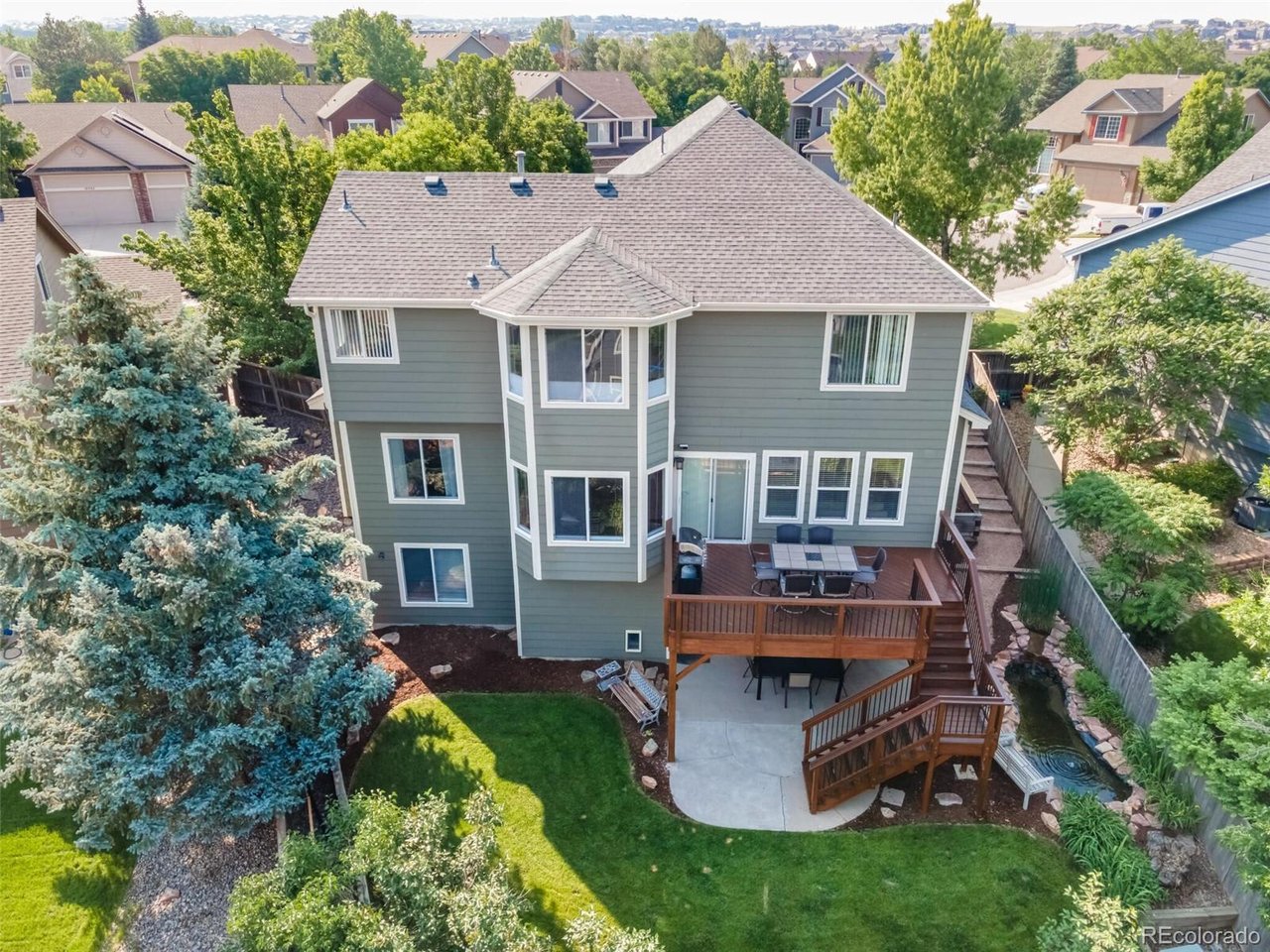 Highlands Ranch
 Centennial
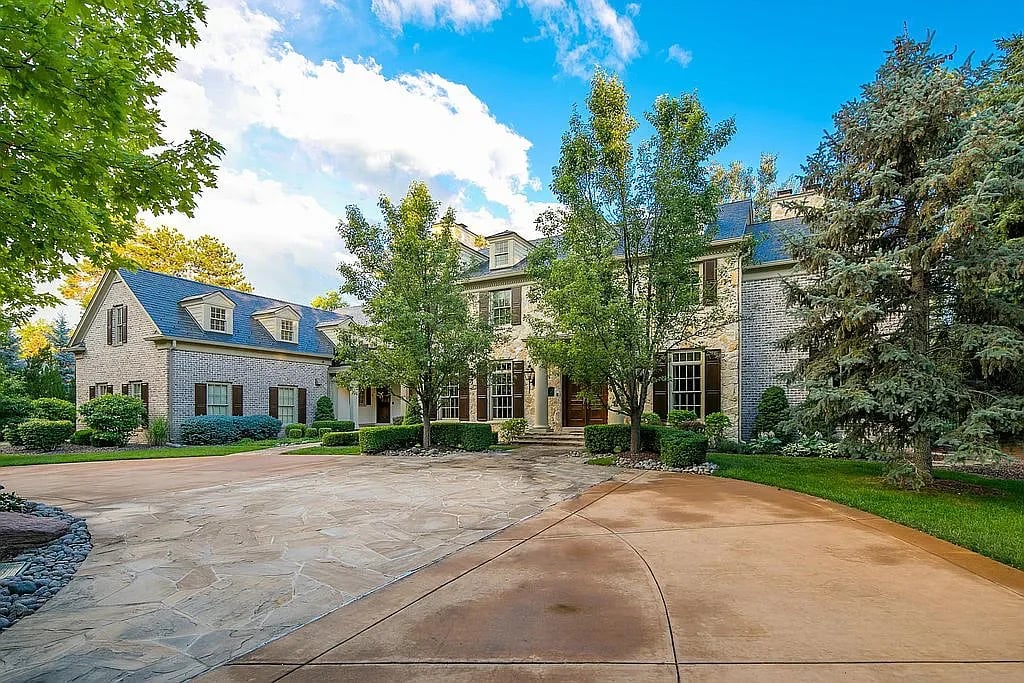 Polo Club
 Park Hill
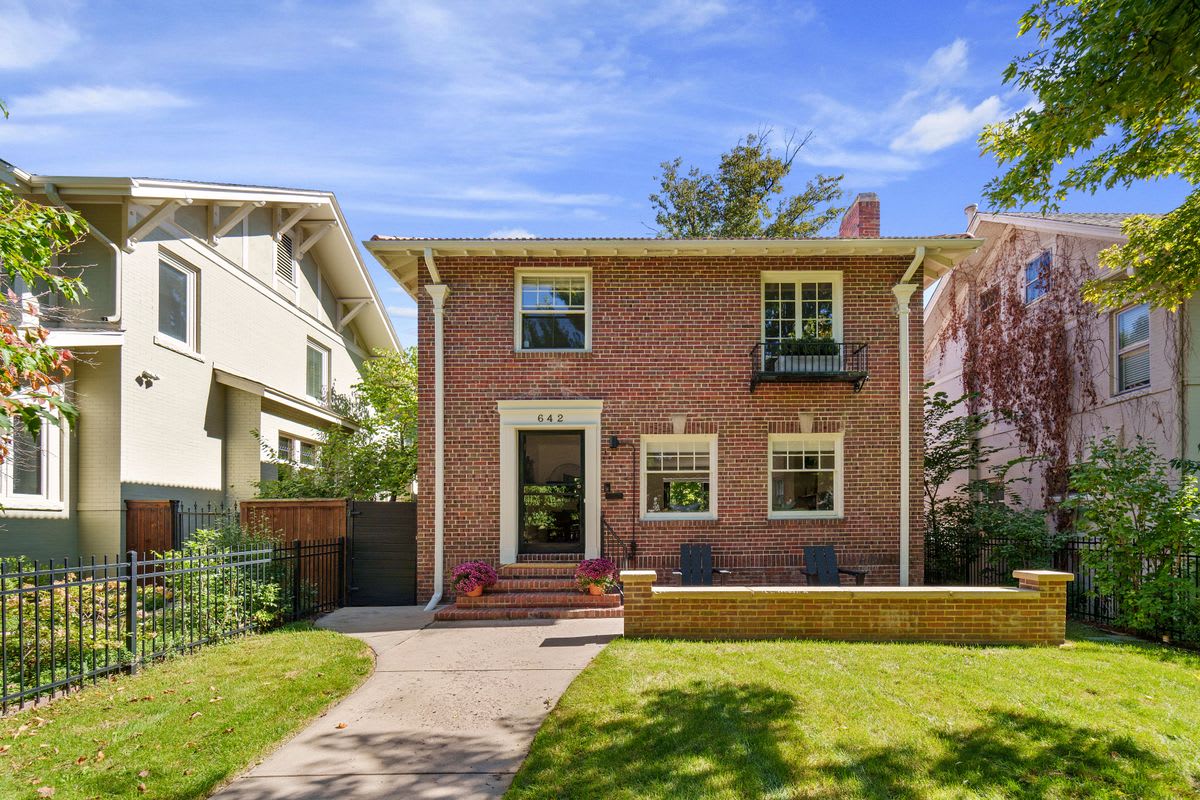 Congress Park & 7th Ave Historic District
 Central Park
 Cory-Merrill
 Lowry
Highlands
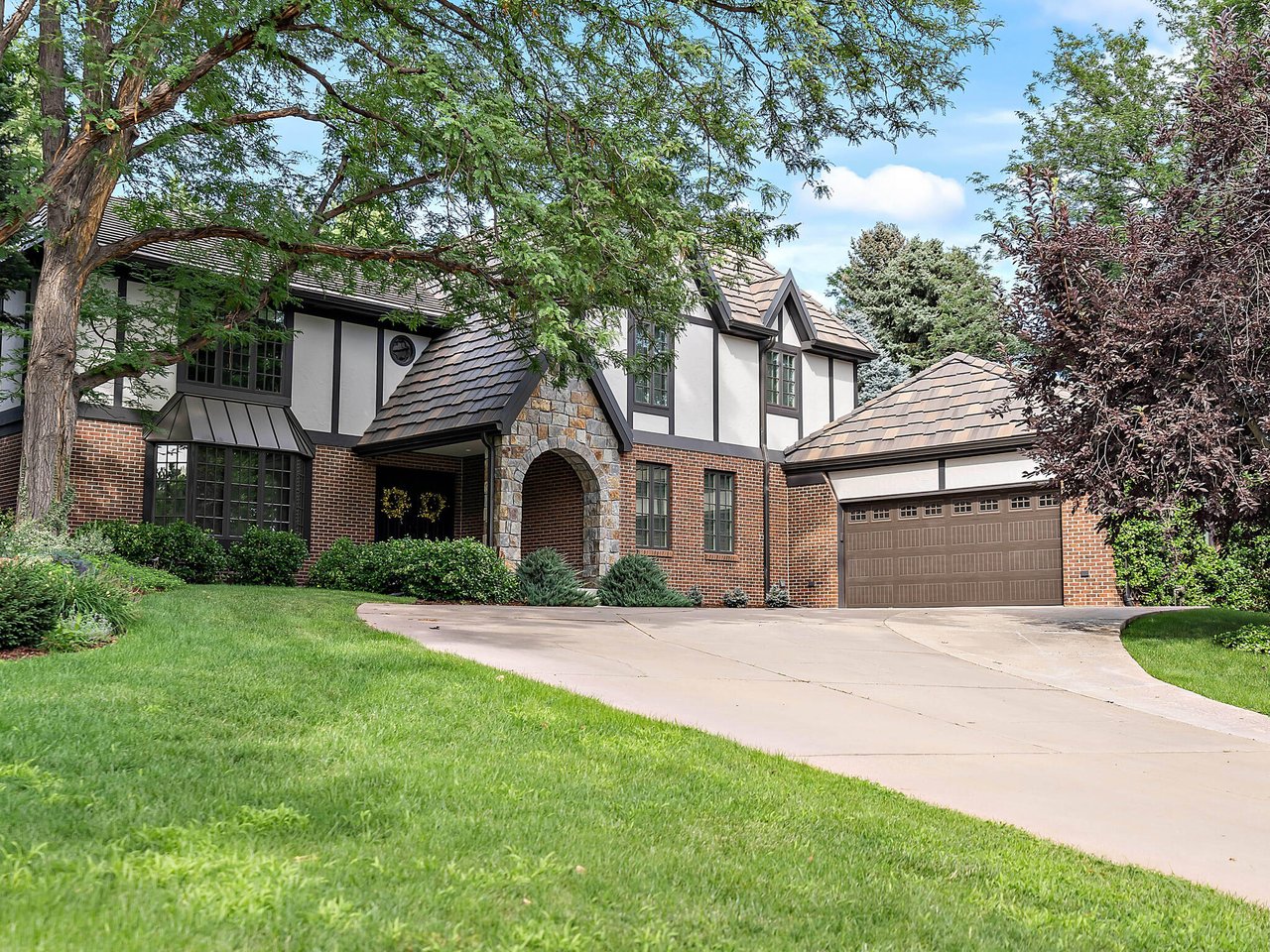 Greenwood Village
 Observatory Park (University Park)
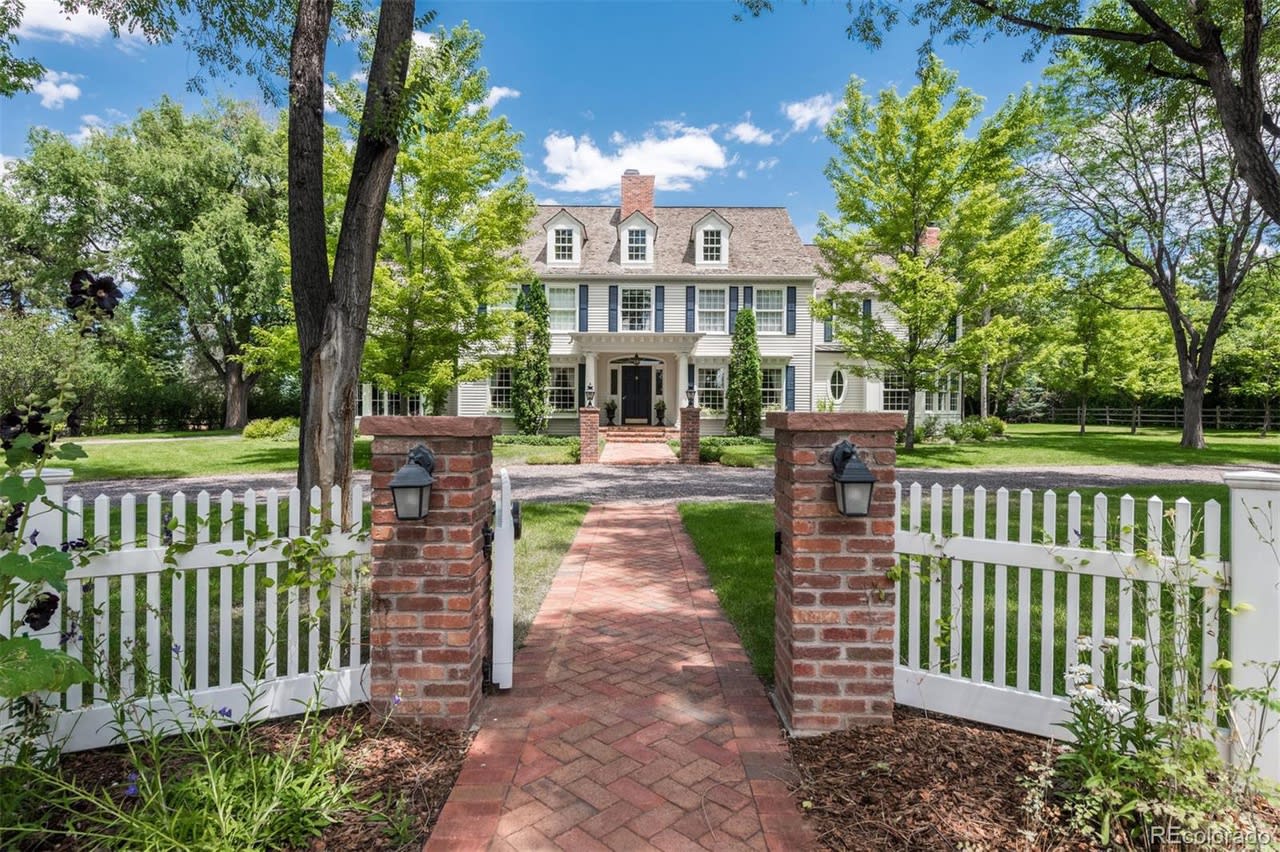 Cherry Hills Village
 Belcaro
 Washington Park
 Bonnie Brae
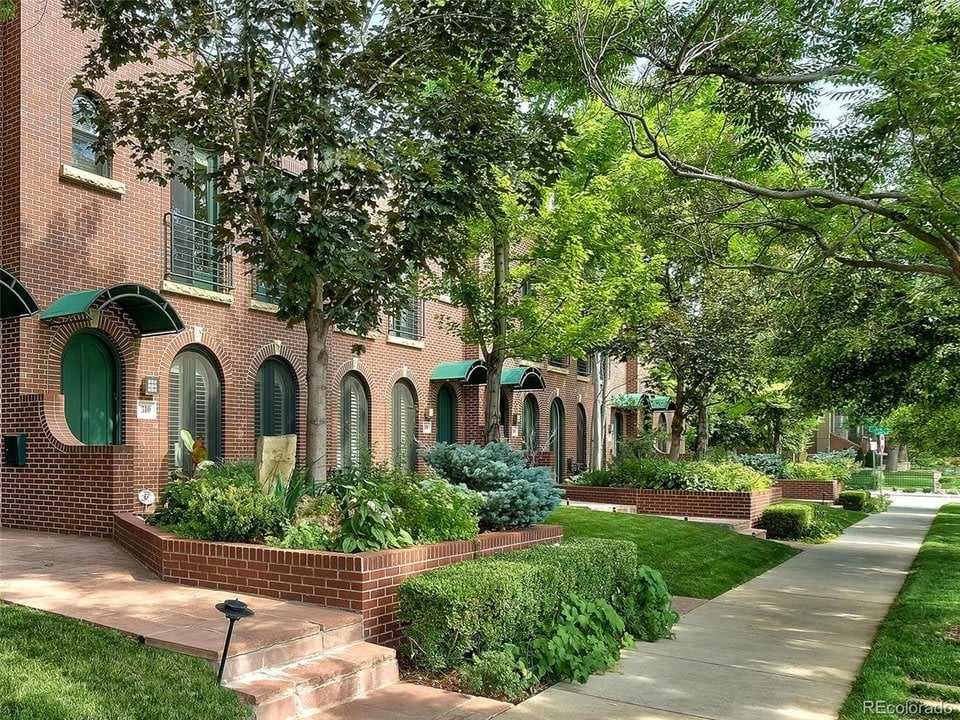 Cherry Creek
 Country Club
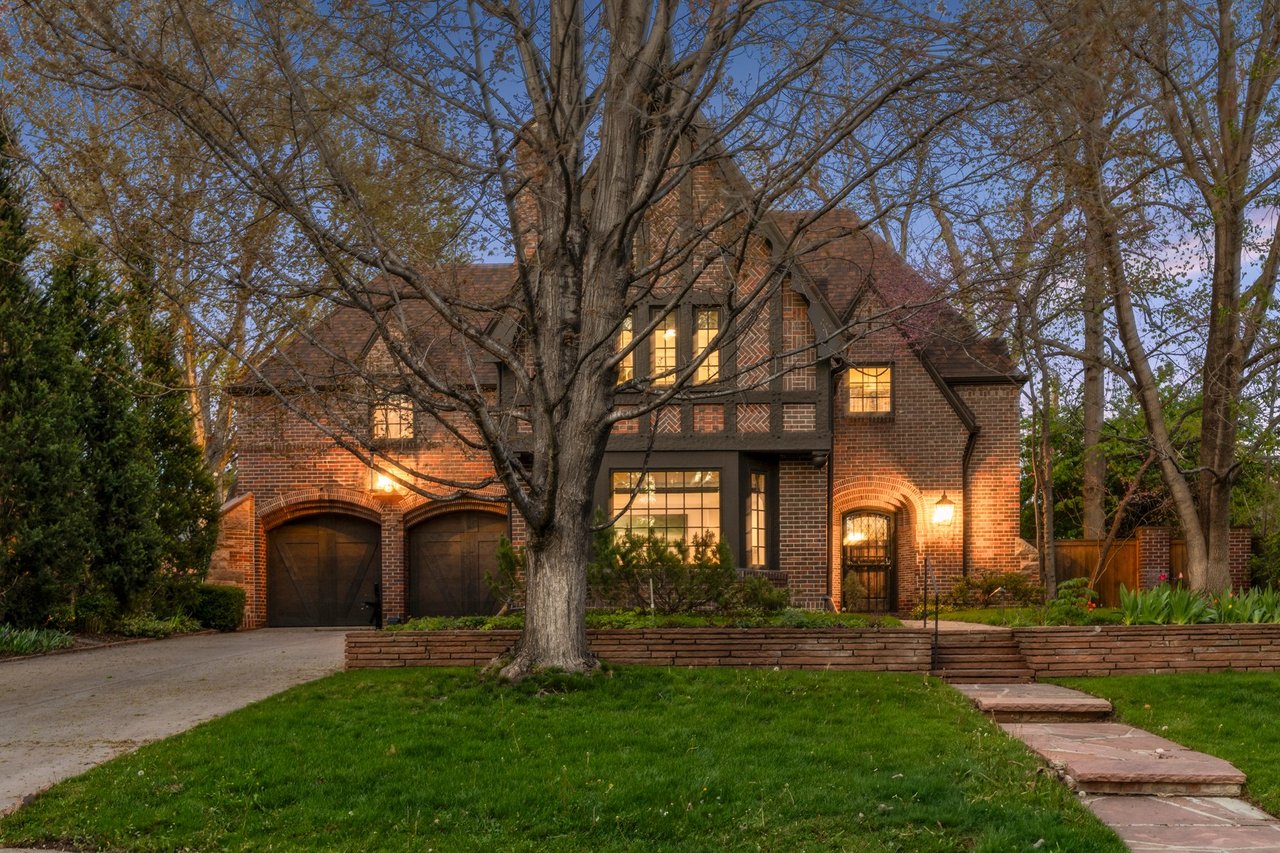 Hilltop & Crestmoor
200 Columbine Street, Suite 400 Denver, CO 80206
200 Columbine Street, Suite 400 Denver, CO 80206